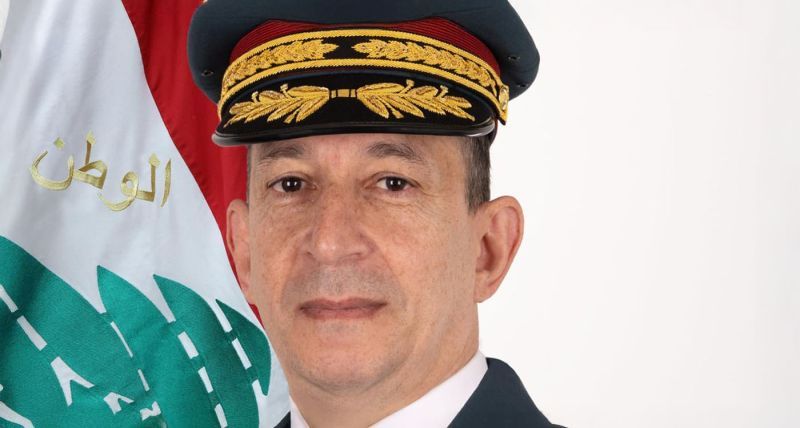
Lebanese Army (LAF) Commander General Rodolphe Haykal kicked off an official visit to the United States on Monday with a stop at U.S. Central Command (CENTCOM) in Tampa, in a trip that goes beyond routine military protocol and carries clear political implications.
At CENTCOM, Haykal met with Vice Admiral Brad Cooper, presenting detailed maps and operational data outlining the LAF’s deployments, particularly south of the Litani River, and its efforts to reinforce state authority over weapons. U.S. officials had requested concrete field evidence of the LAF’s actions, with early feedback from the meetings described as positive and reflective of the ongoing coordination within the joint “Mechanism.”
The visit then shifts to Washington, where it takes on a broader political dimension. Meetings scheduled at the State Department and with members of Congress aim to recalibrate U.S.–LAF relations at a sensitive moment, as Washington remains the army’s principal supporter and a key gatekeeper for international assistance. Central to the discussions is the future of the “Mechanism.” While its military framework remains intact, the United States is reportedly seeking to reshape its political format into a trilateral arrangement involving American envoys and a Lebanese representative. The proposal remains under discussion as Lebanon moves toward the next phase of consolidating arms under state authority.
The visit also comes after an earlier planned trip by Haykal to the United States was canceled amid confusion over expectations regarding the LAF’s role in disarming Hezbollah south of the Litani River. During his current meetings, Haykal is also expected to press U.S. officials on continued and enhanced American support for the Lebanese Army, both in terms of funding and military assistance, as the institution seeks to maintain its operational capacity and political credibility.
Haykal’s trip appears designed to convert the LAF’s operational performance on the ground into renewed political confidence in Washington, at a time when such trust is critical for sustaining international backing.


Comments