- Home
- Middle East
- U.S. Imposes New Sanctions on Iranian Officials Over Crackdown on Protests
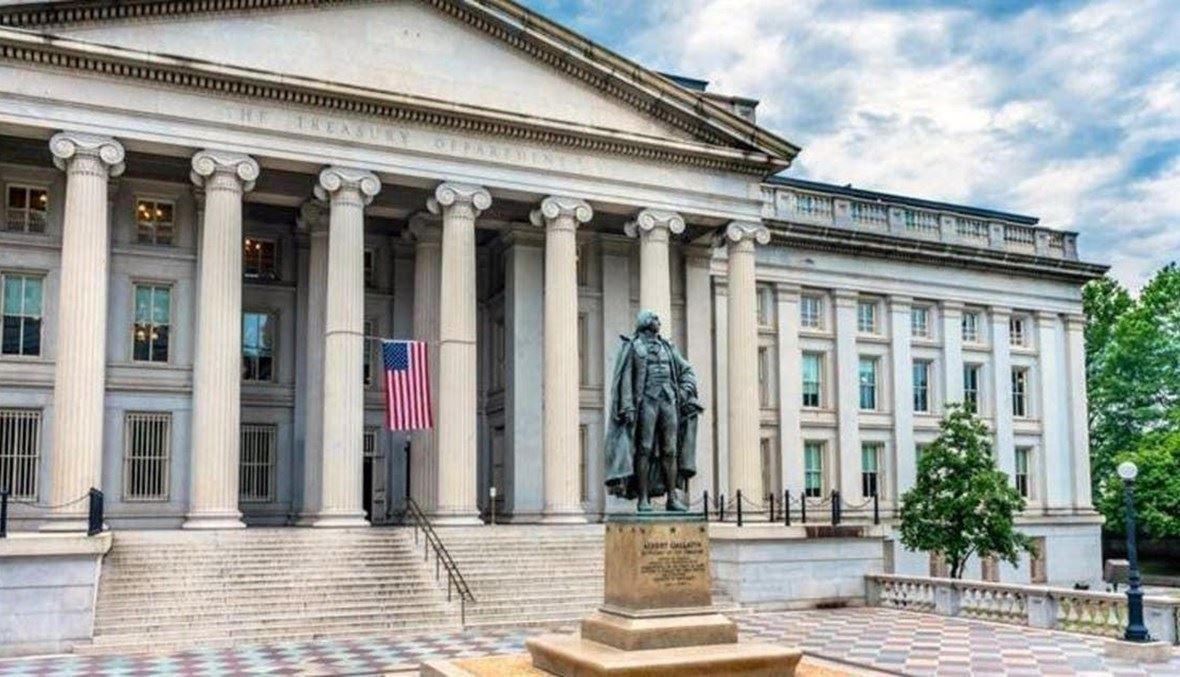
U.S. Treasury Department ©Al Markazia
The U.S. on Thursday unveiled a new round of sanctions targeting Iranian officials accused of involvement in the violent suppression of nationwide anti-regime protests that have swept across Iran and directly challenge the country’s theocratic leadership.
Among those sanctioned is the secretary of Iran’s Supreme National Security Council, whom the U.S. Treasury Department says was one of the first officials to publicly call for the use of force against protesters. The U.S. also imposed sanctions on Fardis Prison, where the State Department said women had "endured cruel, inhuman, and degrading treatment.”
Washington characterizes these actions as part of a broader strategy to suppress fundamental freedoms in Iran.
The U.S. Office of Foreign Assets Control (OFAC) also added 18 individuals and companies to its blacklist, alleging their involvement in a secretive network used to launder proceeds from Iranian oil sales abroad. This “shadow banking” system reportedly relies on institutions already under sanctions, including Bank Melli and Shahr Bank, and operates outside conventional regulatory oversight to circumvent international restrictions.
Treasury Secretary Scott Bessent emphasized Washington’s support for the Iranian people, stating the U.S. “stands firmly with the Iranian people in their quest for freedom and justice” and will use all available measures to confront “tyrannical oppression.”
He said Washington's message to Iran's leaders was clear: "U.S. Treasury knows, that like rats on a sinking ship, you are frantically wiring funds stolen from Iranian families to banks and financial institutions around the world. Rest assured, we will track them and you." "But there's still time, if you choose to join us. As President Trump has said, stop the violence and stand with the people of Iran."
The sanctions block access to any U.S.-based assets and bar Americans from conducting business with the targeted individuals and entities, though authorities note that many of those affected hold little or no property in the United States, making the measures largely symbolic.
Read more
Comments