- Home
- Middle East
- Iran War Sends Oil Price Soaring
©Ina Fassbender / AFP
Global energy markets surged Monday as the war involving Iran, the United States and Israel entered its tenth day, pushing oil prices above $100 per barrel and triggering sharp declines in global equity markets amid fears of supply disruptions across the Middle East.
The spike in prices came as Iran marked the appointment of Ayatollah Mojtaba Khamenei as the country’s new supreme leader following the death of his father, Ali Khamenei, during the initial phase of the U.S.–Israeli military campaign.
Tehran accompanied the announcement with a renewed wave of missile and drone attacks targeting Israeli territory and energy infrastructure across the Gulf, further intensifying concerns over regional stability and global oil supply.
Oil Markets React to War Escalation
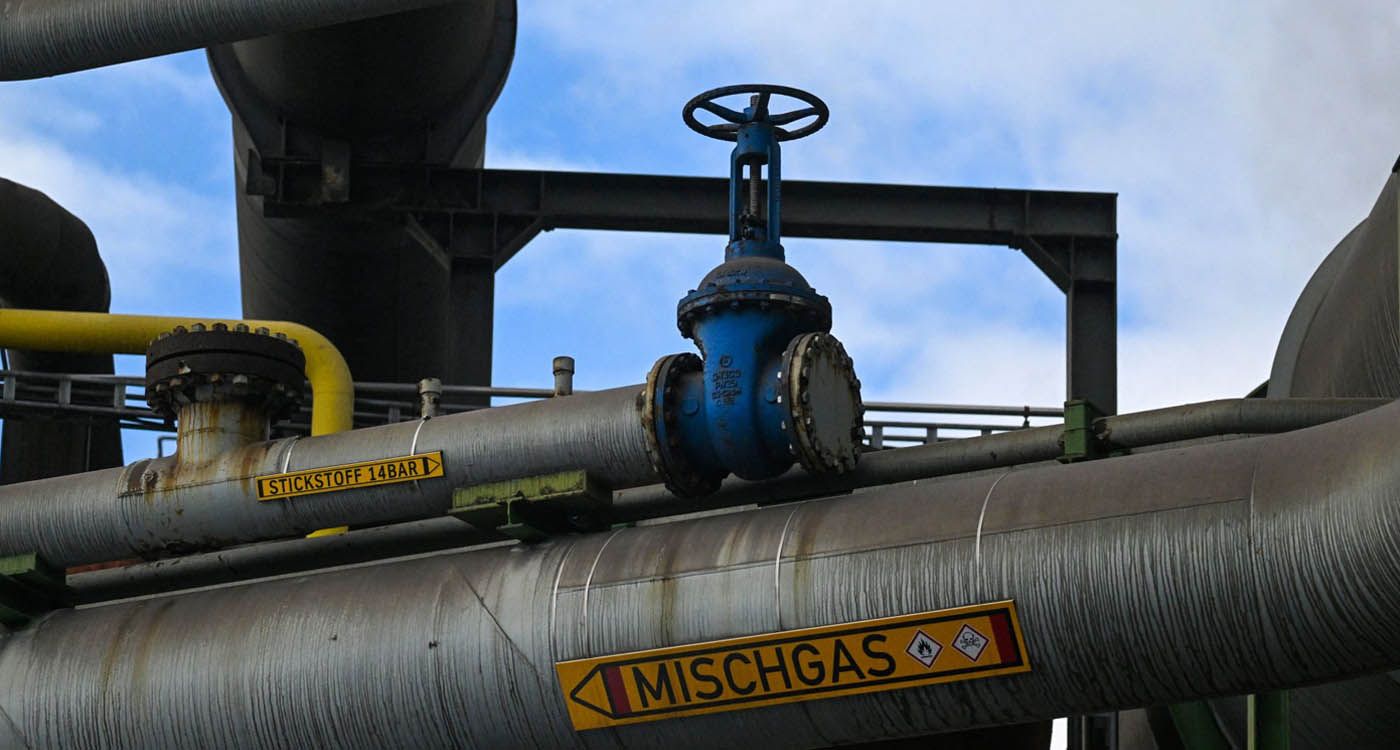
Energy markets reacted sharply to the expanding conflict. Benchmark crude prices surged as traders priced in the risk that fighting could disrupt production or shipping routes in one of the world’s most critical oil-producing regions.
Since the outbreak of the war, West Texas Intermediate (WTI) crude has risen more than 75 percent, while Brent crude has gained more than 60 percent, according to market data.
European natural gas prices have also climbed sharply, increasing roughly 30 percent as investors assess the risk of further disruptions to global energy flows.
Financial markets responded with broad sell-offs. Wall Street opened lower on Monday, with all three major U.S. indices dropping at least one percent as investors shifted toward safe-haven assets.
Gulf Energy Infrastructure Under Pressure
The surge in oil prices coincided with renewed attacks on energy infrastructure across the Gulf.
Saudi Arabia said its air defenses intercepted drones targeting oil fields, while Bahrain’s state energy company Bapco warned it may not be able to fulfill some export contracts after damage to facilities linked to the conflict.
Authorities in the United Arab Emirates and Kuwait also reported additional missile and drone attacks on Monday, underscoring how the conflict is increasingly affecting regional energy production and logistics.
The Gulf region accounts for a significant share of global oil exports, making the stability of its energy infrastructure critical to international markets.
Global Leaders Consider Emergency Measures
The sudden surge in energy prices has prompted urgent discussions among major economies.
Finance ministers from the Group of Seven (G7) were scheduled to meet Monday to assess the economic impact of the conflict and discuss potential countermeasures.
French President Emmanuel Macron, whose country currently chairs the G7, said leaders would examine the possibility of releasing strategic oil reserves in order to stabilize global markets.
In a separate statement during a visit to Cyprus, Macron said France and allied countries are also preparing a “purely defensive” maritime mission to help secure shipping routes through the Strait of Hormuz once the most intense phase of the conflict subsides.
The narrow waterway is one of the world’s most critical energy chokepoints, carrying roughly one-fifth of global oil shipments.
Governments Move to Shield Domestic Economies
Some governments have already begun implementing measures to protect their economies from the surge in energy costs.
Croatian Prime Minister Andrej Plenković announced Monday that his government would introduce temporary caps on gasoline and diesel prices beginning Tuesday, becoming one of the first European Union countries to intervene directly in fuel markets since the conflict escalated.
“Today we will take steps to ease the rise in energy prices and protect the living standards of Croatian citizens,” Plenković said during an emergency government meeting.
Trump Downplays Price Surge
U.S. President Donald Trump sought to downplay the economic impact of the rising oil prices, describing the spike as a manageable consequence of the military campaign.
Trump said the increase was a “small price to pay” if the war ultimately eliminates what Washington describes as the threat posed by Iran’s nuclear program.
Analysts warn that energy markets could remain volatile as long as the conflict continues.
The combination of attacks on Gulf energy infrastructure, uncertainty around the security of maritime shipping lanes, and the potential for further escalation has significantly increased the geopolitical risk premium built into oil prices.
With the war entering its second week and expanding beyond Iran’s borders, economists say the trajectory of the conflict will play a decisive role in shaping global energy markets and the broader economic outlook in the weeks ahead.
Read more


Comments