- Home
- Middle East
- KSA-Backed Forces Reclaim Eastern Yemen as Rift with UAE-Allied STC Deepens
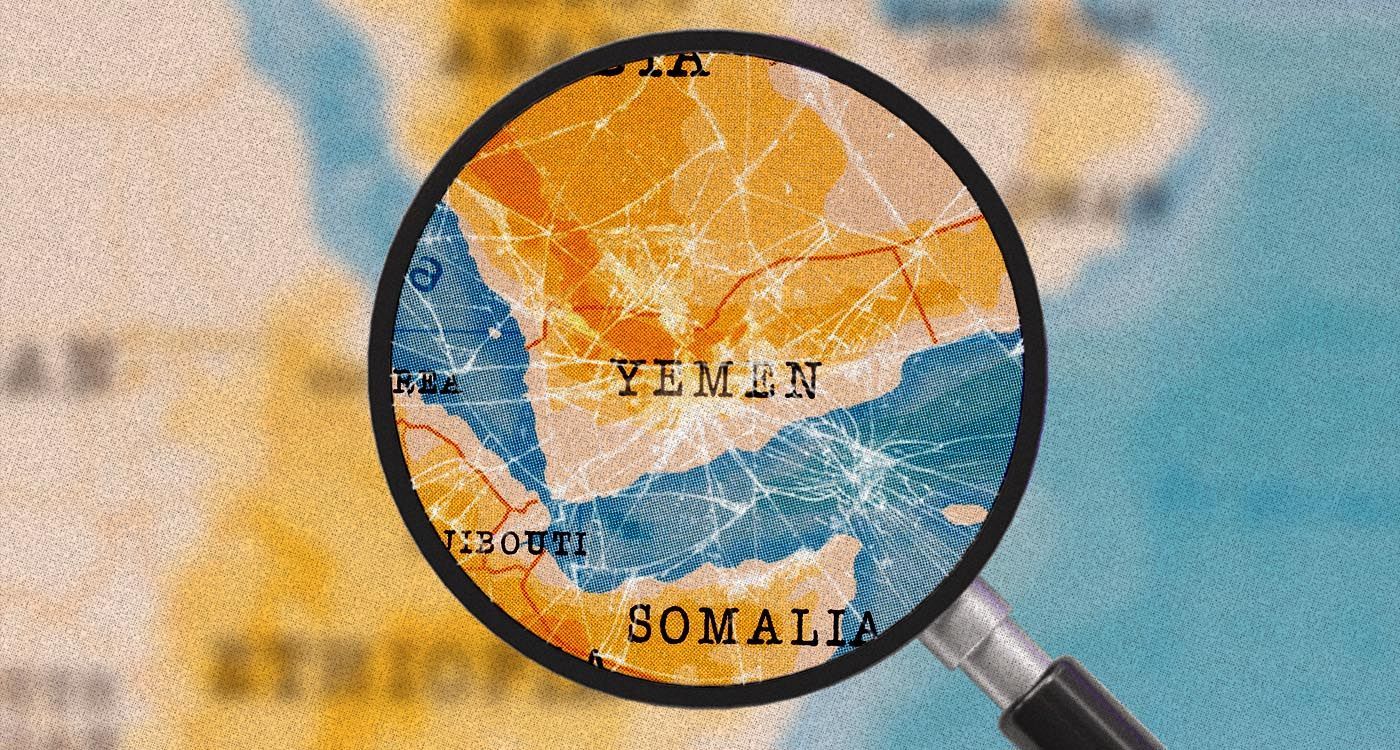
©Ici Beyrouth
Saudi-backed Yemeni government forces have regained control of the eastern governorates of Hadramout and al-Mahra from the United Arab Emirates–supported Southern Transitional Council (STC), marking a major shift in the balance of power as tensions among Gulf allies intensify.
Rashad al-Alimi, head of Yemen’s Presidential Leadership Council (PLC), had said on Saturday that the Saudi-backed Homeland Shield forces had achieved “record success” by retaking all military and security sites in al-Mahra, which borders Saudi Arabia. The operation began a day earlier, he added.
In a parallel development, the internationally recognized government announced it had reasserted control over Mukalla, the strategic port city and capital of Hadramout, after days of fighting with STC forces that had seized the city last month. Government sources said loyalist forces had since taken control of all districts across Hadramout, Yemen’s largest governorate.
In al-Mahra, Mohammed Omar Suwailam, director general of the governorate’s Youth Office, confirmed on Sunday that Homeland Shield forces now control all nine districts following the withdrawal of STC fighters.
Military Escalation
The escalation follows the STC’s takeover of Hadramout and al-Mahra in early December, two provinces that together account for nearly half of Yemen’s territory and share a long border with Saudi Arabia. Since Friday, at least 80 STC fighters have been killed in clashes with Saudi-backed forces, an STC official told AFP, adding that 152 were wounded and 130 captured.
The fighting has been accompanied by airstrikes. An STC military official said Saudi warplanes carried out “intense” raids on one of the group’s camps in Barshid, west of Mukalla, on Saturday.
Proposal for Dialogue
Despite the violence, the STC said it welcomed a Saudi proposal for dialogue, describing it as a “genuine opportunity” to protect what it called the aspirations of southern Yemenis.
Following the advance of government forces, Hadramout Governor Salem Ahmed Said al-Khanbashi arrived at Seiyun airport in Wadi Hadramout, signaling the restoration of government authority in the region.
However, tensions persist elsewhere in southern Yemen, particularly in Aden, the STC’s main stronghold. The government accused the STC of imposing restrictions on movement in the port city, including preventing travelers from entering and detaining families and patients seeking medical treatment.
“These restrictions constitute a serious violation of the constitution and a breach of the Riyadh Agreement,” the government said in a statement, calling on the STC to immediately lift all measures limiting freedom of movement. It added that the state would take steps to protect civilians and ensure their rights.
A government official told Reuters that forces would continue advancing from Hadramout toward Aden. Meanwhile, some flights have resumed at Aden International Airport after a brief closure on Thursday, with the government, Saudi Arabia, and the STC trading accusations over responsibility for the shutdown.
Disruptions have also been reported elsewhere. The U.S. embassy in Yemen said it had received reports of flight closures and diversions to and from Socotra, the Yemeni archipelago in the Indian Ocean.
Protracted Conflict
Yemen has been mired in civil war for more than a decade, with Iran-backed Houthi rebels controlling much of the north, while the Saudi-led coalition supports the internationally recognized government in the south. The UAE, a key coalition member, backs the STC, which seeks the re-establishment of an independent South Yemen.
The latest Saudi airstrikes came just one day after the STC announced a draft constitution for a future independent southern state, further underscoring the deepening political and military rift within the anti-Houthi camp.
Read more


Comments