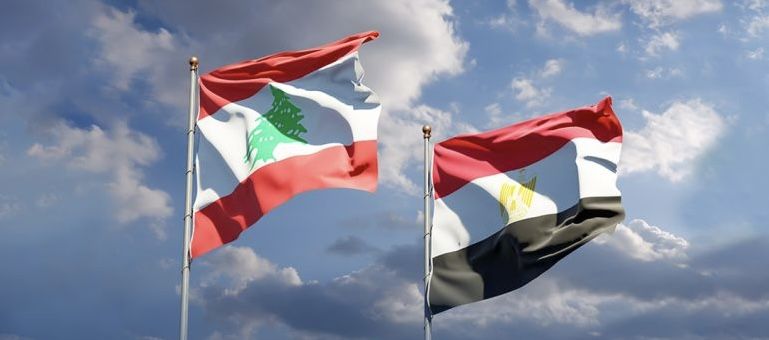
Lebanon said Monday it plans to purchase natural gas from Egypt, seeking to reduce its reliance on fuel oil for its ageing power plants in a country hamstrung by regular electricity cuts.
The electricity sector has cost Lebanon more than $40 billion since the end of its 1975-1990 civil war, and successive governments have failed to reduce losses, repair crumbling infrastructure or even guarantee regular power bill collections.
Residents rely on expensive private generators and solar panels to supplement the unreliable state supply.
Prime Minister Nawaf Salam's office said in a statement that the memorandum of understanding between Lebanon and Egypt sought "to meet Lebanon's needs for natural gas allocated for electricity generation".
It was signed by Lebanese Energy Minister Joe Saddi and Egyptian Petroleum Minister Karim Badawi.
"Lebanon's strategy is first to transition to the use of natural gas, and second, to diversify gas sources," Saddi said, adding that "the process will take time because pipelines need rehabilitation".
Lebanon will "contact donor agencies to see how they can help finance the rehabilitation" of the Lebanese section of the gas pipelines, he said, adding that repair work would take several months.
President Joseph Aoun said the memorandum of understanding was "a practical and essential step that will enable Lebanon to increase its electricity production".
A statement from Cairo's petroleum and mineral resources ministry said that "Egypt is fulfilling its role in supplying Lebanon with natural gas, with the aim of supporting energy security for Arab countries".
In 2022, Lebanon signed a deal to import natural gas from Egypt and Jordan via Syria to boost power supply, but the contracts were never implemented due to financing issues and US sanctions on Syria.
Washington recently lifted it Syria measures following the fall of longtime ruler Bashar al-Assad last year.
In April, Lebanon signed a $250 million agreement with the World Bank to modernise its electricity sector.
AFP



Comments