- 22
- Dec.
- 2025
Hezbollah Allegedly Strengthens Hold on Beirut Port Amid Disarmament Doubts
Read : 3 minute(s) A A A
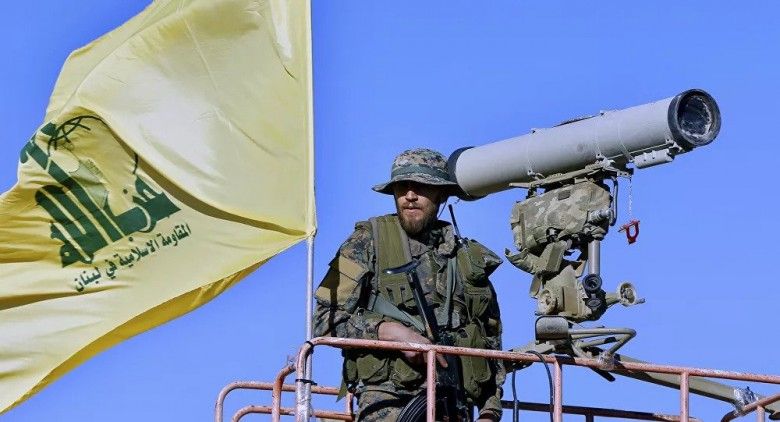
Despite the Lebanese cabinet’s move to impose a firm deadline for the disarmament of militias, developments on the ground point to a “lack of seriousness” in enforcing the decision against Hezbollah, a security source told This is Beirut on condition of anonymity, questioning whether the government’s commitment is backed by concrete action.
Disarmament Deadline
During a cabinet session held on August 5, 2025, under the chairmanship of Prime Minister Nawaf Salam, ministers tasked the Lebanese Armed Forces (LAF) with drafting a plan to consolidate all weapons in the hands of the state and limit arms exclusively to official security institutions, with completion targeted by the end of 2025.
Yet developments since then suggest a different trajectory. While authorities have continued taking steps to gradually curb Hezbollah’s influence at Beirut International Airport (BIA), new concerns have emerged elsewhere, including alleged activity at the Port of Beirut. Following the collapse of the Bashar al-Assad regime on December 8, 2024, cutting off what had long been described as Hezbollah’s main land-based supply route through Syria and Iraq, the pro-Iranian group appears to be relying on alternative channels for weapons smuggling.
Port of Beirut Concerns
A Western security source told Al Arabiya and Al Hadath that Hezbollah has once again focused on the Port of Beirut, reasserting control as the facility slowly returns to normal operations after the devastating August 2020 port explosion. According to the source, Iran’s Quds Force intends to rely on its Unit 190, led by Behnam Shahriari, and Unit 700, led by Mohammad Reza Gholamfard, to carry out maritime smuggling operations, either directly to Lebanon or via intermediary countries.
Al Arabiya further reported that Hezbollah operates with relative freedom inside the Port of Beirut through a network of collaborators embedded in customs and port control mechanisms. This network is overseen by the group’s senior security official, Wafic Safa, who, the source said, allegedly facilitates the entry of equipment, weapons, and funds without inspection or oversight.
The same source warned that Hezbollah’s use of Lebanon’s largest and most vital port threatens national interests and endangers foreign investments critical to the country’s recovery and reconstruction. He cautioned that failure to act could expose Lebanon to risks reminiscent of the 2020 port disaster, urging the state to take swift and decisive measures to prevent further violations.
Mounting International Pressure
These concerns unfold under escalating international scrutiny. The United States has linked its political support, diplomatic engagement, and elements of the ceasefire framework to a formal Lebanese commitment to disarm Hezbollah and confine weapons to state institutions. The November 2024 ceasefire that ended more than a year of hostilities between Israel and Hezbollah required the withdrawal of the group’s fighters and weapons from south of the Litani River, leaving the area under the control of Lebanese forces and UN peacekeepers, an arrangement closely tied to broader U.S. expectations on disarmament.
This raises pressing questions. If media images show Hezbollah rockets and drones being seized and destroyed by the LAF, while reports simultaneously suggest that weapons are entering Lebanon “under the table,” how will Washington respond? And what stance will Israel take? Absent from U.S. intervention, what would prevent another Israeli military operation? Are these developments laying the groundwork for a new cycle of retaliation?
For the Salam government, the stakes could not be higher. In the wake of Lebanon’s economic collapse, credibility with the international community hinges on a single, unavoidable path: meaningful reforms and the consolidation of arms under state authority. If the reports published by Al Arabiya prove accurate, the implications are grave, not only for the government, but for the country as a whole.
The warning is clear. Action must come before it is too late. Reasserting state control over all ports, rebuilding official and security institutions, and ending militia influence are no longer optional steps, but prerequisites for restoring trust and reinforcing the presence of a sovereign, accountable state.

Comments