- Home
- Middle East
- U.S. War Costs Against Iran Rise to $29 Billion as Pentagon Seeks Additional Funding
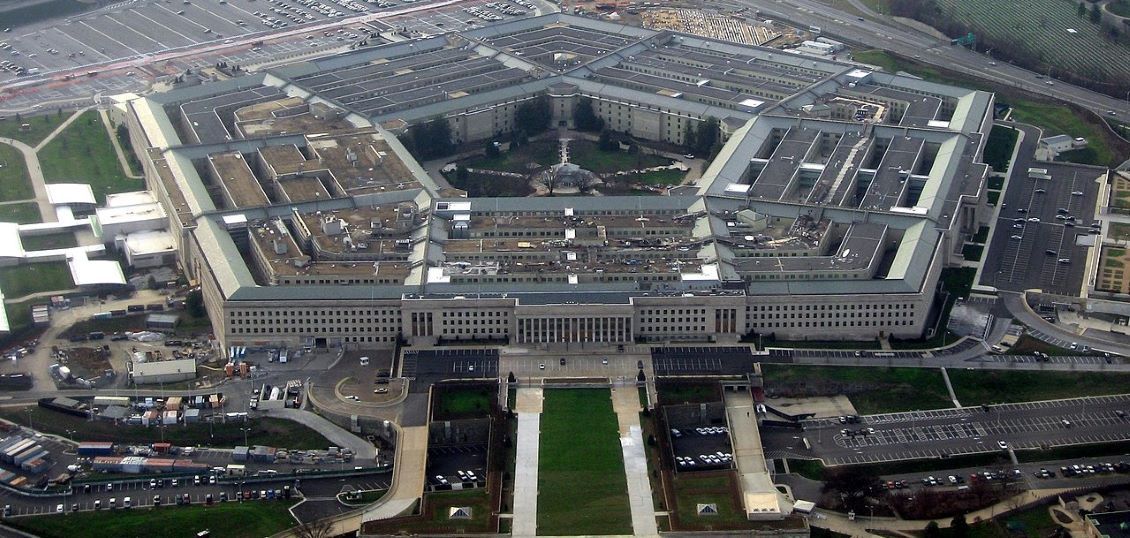
The United States has spent an estimated $29 billion on military operations tied to the war with Iran, according to testimony delivered Tuesday before Congress, as senior Pentagon officials defended both the financial and strategic costs of the ongoing campaign.
Appearing on Capitol Hill for a series of budget hearings, Jules Hurst III, the Defense Department’s acting comptroller, told lawmakers that the latest estimate marks a sharp increase from the $25 billion figure presented just two weeks earlier. The revised total, he explained, reflects updated calculations for repairing and replacing military equipment, in addition to the broader operational expenses associated with maintaining American forces in the region.
Hurst cautioned, however, that the estimate remains incomplete and does not include the potentially significant costs of rebuilding or repairing military facilities damaged during the conflict.
“We have a lot of unknowns there,” Hurst told lawmakers. “We don’t know what our future posture is going to be. We don’t know how we construct those bases, and we don’t know what part our allies or partners could pay into our MILCON costs.”
The hearings came amid uncertainty surrounding the durability of the ceasefire announced in recent weeks. Defense Secretary Pete Hegseth suggested the situation on the ground remains highly volatile, despite the current pause in hostilities.
“As you know, for the most part, ceasefire means fire is ceasing,” Hegseth said during the hearing. “We have a plan to escalate, if necessary. We have a plan to retrograde, if necessary.”
Pentagon officials also pushed back against growing concerns over the strain the conflict may have placed on U.S. weapons stockpiles. Hegseth rejected claims that American munitions reserves had been dangerously depleted by the war effort.
“I take issue with the characterization that munitions are depleted in a public forum — that’s not true,” he said. “Ultimately, we have all the munitions needed to execute what we need to execute, and we are going to ensure that we supercharge that going into the future.”
Joining Hegseth at the hearings was Gen. Dan Caine, chairman of the Joint Chiefs of Staff, as the administration sought congressional backing for a two-track funding strategy: approval of the Pentagon’s annual defense budget and additional emergency allocations tied specifically to the conflict with Iran.
The latest figures underscore the mounting financial burden of the war as Washington weighs its long-term military posture in the Middle East and the potential costs of a prolonged regional confrontation.
Read more

Comments