- Home
- Middle East
- Trump Says Iran Still Wants a Deal as U.S. Awaits Tehran’s Response
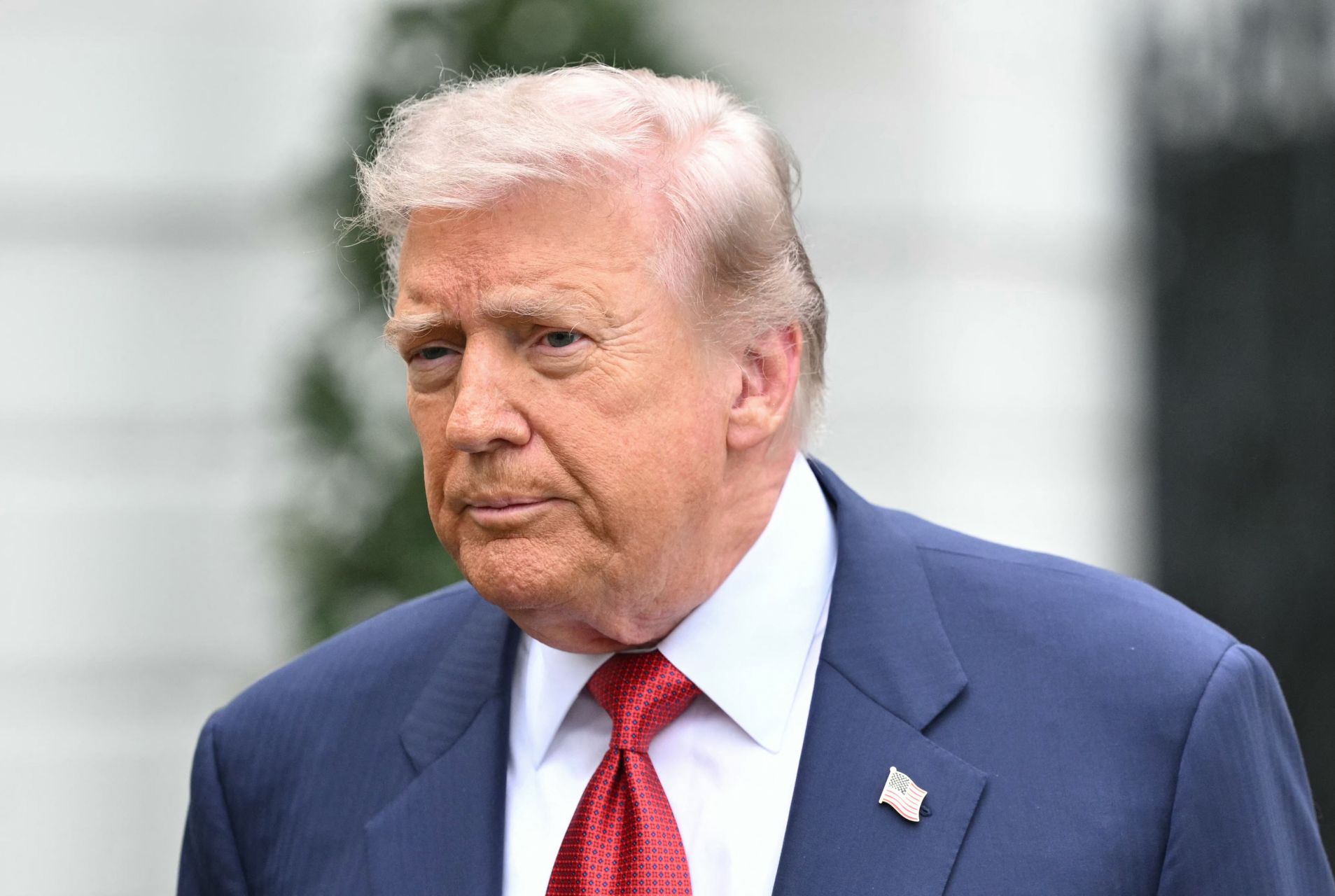
U.S. President Donald Trump makes his way to board Marine One before departing from the South Lawn of the White House in Washington, DC on May 8, 2026. ©MANDEL NGAN / AFP
U.S. President Donald Trump said Saturday that Iran still appears eager to reach an agreement with Washington, adding that the United States expects Tehran’s response to the latest American proposal “very soon” while military and economic pressure on the Islamic Republic continues to intensify.
According to remarks cited by French journalist Margaux Haddad following a phone conversation with Trump, the U.S. president said Iran “still very much wants to make a deal,” despite weeks of escalation in the Gulf and ongoing American military pressure around the Strait of Hormuz.
The comments come at a critical moment as Washington awaits Tehran’s official response to a U.S.-backed proposal intended to halt the war and open broader negotiations over Iran’s nuclear program and regional activities.
Naval blockade remains fully operational
Trump’s remarks coincided with renewed confirmation from the U.S. military that Washington’s maritime pressure campaign against Iran remains fully active.
Earlier Saturday, U.S. Central Command (CENTCOM) announced that the naval blockade imposed on Iranian ports continues “in full.”
According to CENTCOM, U.S. forces have redirected 58 commercial vessels and disrupted four ships since April 13 in order to prevent maritime traffic connected to Iranian ports.
The blockade was imposed after the first round of U.S.-Iran negotiations held in Islamabad failed to produce an agreement.
Washington has increasingly portrayed the operation as one of its main pressure tools against Tehran.
The White House previously stated that the blockade is “successfully choking the Iranian economy,” while senior U.S. officials continue insisting that all options remain available in dealing with Iran.
Diplomacy under pressure after Hormuz clashes
The diplomatic efforts are unfolding only days after the most serious military escalation since the April ceasefire.
Major confrontations between Iranian and American forces in and around the Strait of Hormuz on Thursday night, followed by additional clashes on Friday involving Iranian naval units and U.S. vessels, according to Iranian media.
The U.S. military later announced that it targeted two Iran-linked ships attempting to enter an Iranian port, forcing them to retreat after American fighter jets struck the vessels.
Since the outbreak of the war involving Iran, the United States, and Israel, Tehran has significantly restricted the movement of non-Iranian ships through the Strait of Hormuz, one of the world’s most strategically important waterways, through which roughly one-fifth of global oil supplies previously passed.
Iranian response expected soon
Iran is expected to submit its official response to the latest U.S. proposal within hours.
However, despite Trump’s optimistic tone, officials on both sides continue signaling deep distrust and unresolved disagreements over key issues.
Meanwhile, Washington has hinted that military pressure could intensify if negotiations fail, including the possible expansion of maritime operations in the Gulf.
Read more

Comments