- Home
- Middle East
- CENTCOM Briefs Trump on Potential Large-Scale Strikes on Iran
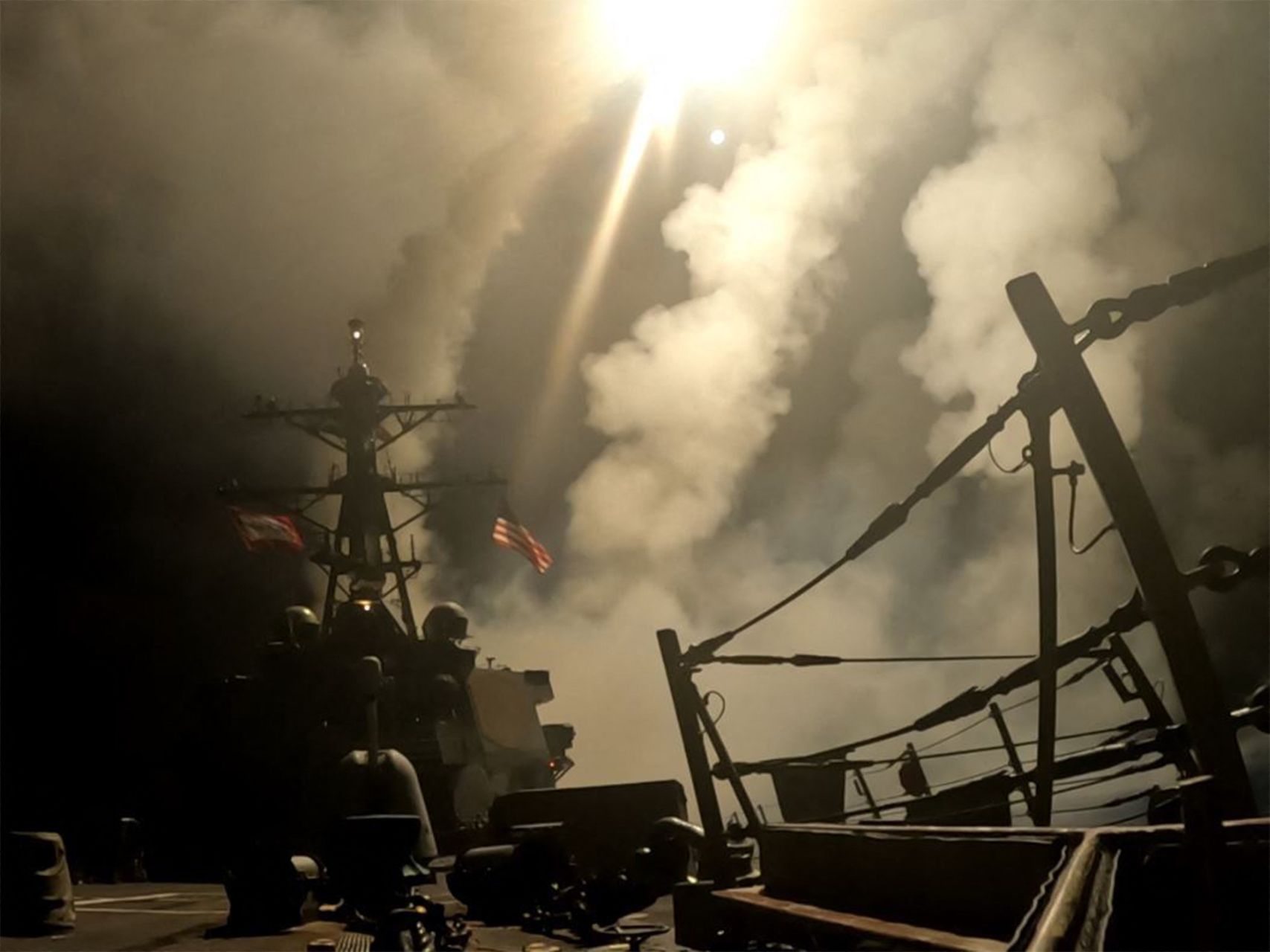
©AFP PHOTO / US CENTRAL COMMAND (CENTCOM)
The commander of United States Central Command (CENTCOM) briefed President Donald Trump on potential large-scale strike options against Iran, including what was described as a possible “final blow,” according to a report by Fox News on Thursday.
Admiral Brad Cooper presented the plans during a high-level meeting in the White House Situation Room. The options reportedly include a “short and powerful wave of strikes” that could be launched if the president decides to resume military operations.
Broad Target Spectrum
According to the report, the proposed targets span Iran’s remaining military capabilities, including key infrastructure, strategic assets, and elements of its leadership structure. The objective would be to significantly degrade Tehran’s operational capacity in a concentrated campaign.
The Pentagon is also said to be evaluating the deployment of advanced weapons systems, including the hypersonic missile known as Dark Eagle. The system is reportedly capable of striking targets at distances of up to 2,000 miles (3,218 kilometers), making it suitable for targeting mobile ballistic missile launchers.
The report further noted an increased presence of B-1B Lancer bombers in the region. This aircraft is capable of carrying large payloads, including hypersonic weapons weighing up to 5,000 pounds, enhancing the United States’ rapid-strike capabilities.
At the same time, CENTCOM said on April 28 that three strike groups are currently operating in the Middle East, bringing together more than 15,000 sailors, over 200 aircraft, and upwards of a dozen naval vessels. The scale and positioning of these forces point not only to sustained strike readiness but also to the enforcement of a de facto maritime blockade, particularly in and around the Strait of Hormuz, a critical chokepoint for global energy supplies.
Fragile Ceasefire Context
The developments come after a period of heightened tensions between the United States, Israel, and Iran. On February 28, U.S. and Israeli forces launched coordinated strikes on Iranian targets, triggering retaliatory actions by Tehran against U.S. allies in the Gulf and leading to the closure of the strategically vital Strait of Hormuz.
A ceasefire was announced on April 8, followed by negotiations in Islamabad on April 11-12. However, talks failed to produce a lasting agreement. President Trump later unilaterally extended the truce without specifying a new deadline, leaving the conflict in a state of uncertainty.
Read more



Comments