- Home
- Middle East
- Trump Rejects Iranian Proposal, Says Naval Blockade Will Continue Until Nuclear Deal
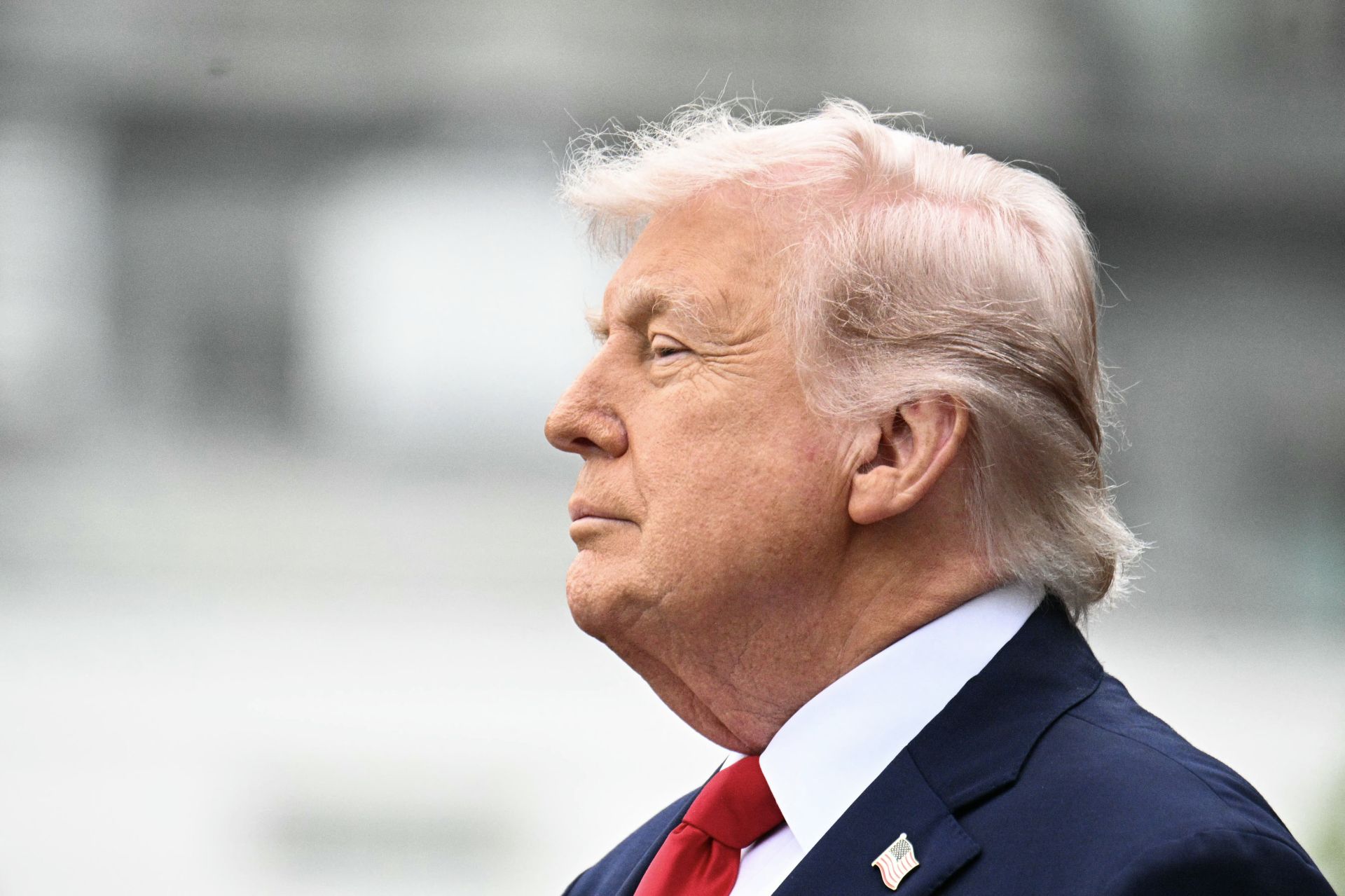
US President Donald Trump look on during an arrival ceremony on the South Lawn of the White House in Washington, DC, on April 28, 2026. ©JIM WATSON / AFP
U.S. President Donald Trump said on Wednesday he would maintain a naval blockade on Iran until Tehran agrees to a deal addressing Washington’s concerns over its nuclear program, rejecting a proposal that would have prioritized reopening the Strait of Hormuz.
In an interview with Axios, Trump dismissed the Iranian offer, which reportedly sought to lift the blockade and reopen the strategic waterway while postponing negotiations on nuclear issues to a later stage.
“The blockade is somewhat more effective than the bombing,” Trump said. “They are choking… They can’t have a nuclear weapon.”
Blockade as Primary Leverage
The U.S. administration is treating the blockade as its main source of pressure on Iran, with Trump signaling reluctance to ease restrictions without concrete concessions on the nuclear file.
“They want to settle. They don’t want me to keep the blockade,” he said, adding that he would not lift it unless Iran abandons its nuclear ambitions.
The blockade has significantly curtailed Iranian oil exports, with Trump claiming the country’s energy infrastructure is under growing strain, though some analysts question the immediacy of that threat.
Military Option Under Consideration
While prioritizing economic pressure, U.S. officials have not ruled out military escalation.
A potential military action would aim to force Tehran back to negotiations under less favorable conditions, though Trump has not authorized any military action so far.
He declined to discuss operational details but indicated that force remains an option if Iran refuses to make concessions.
Talks Deadlocked Over Sequencing
At the center of the impasse is a fundamental disagreement over the sequencing of negotiations.
Iran has proposed addressing maritime access first, specifically reopening the Strait of Hormuz, before tackling the nuclear issue. Washington, however, insists that any agreement must directly confront Iran’s nuclear program from the outset.
The standoff has effectively frozen diplomatic progress, despite indirect contacts through mediators.
As the blockade continues and military options remain on the table, the prospect of renewed negotiations appears increasingly uncertain, leaving the situation poised between sustained pressure and potential escalation.
Read more


Comments