- Home
- Middle East
- White House: U.S. Ready to Sustain Indefinite Naval Blockade on Iran
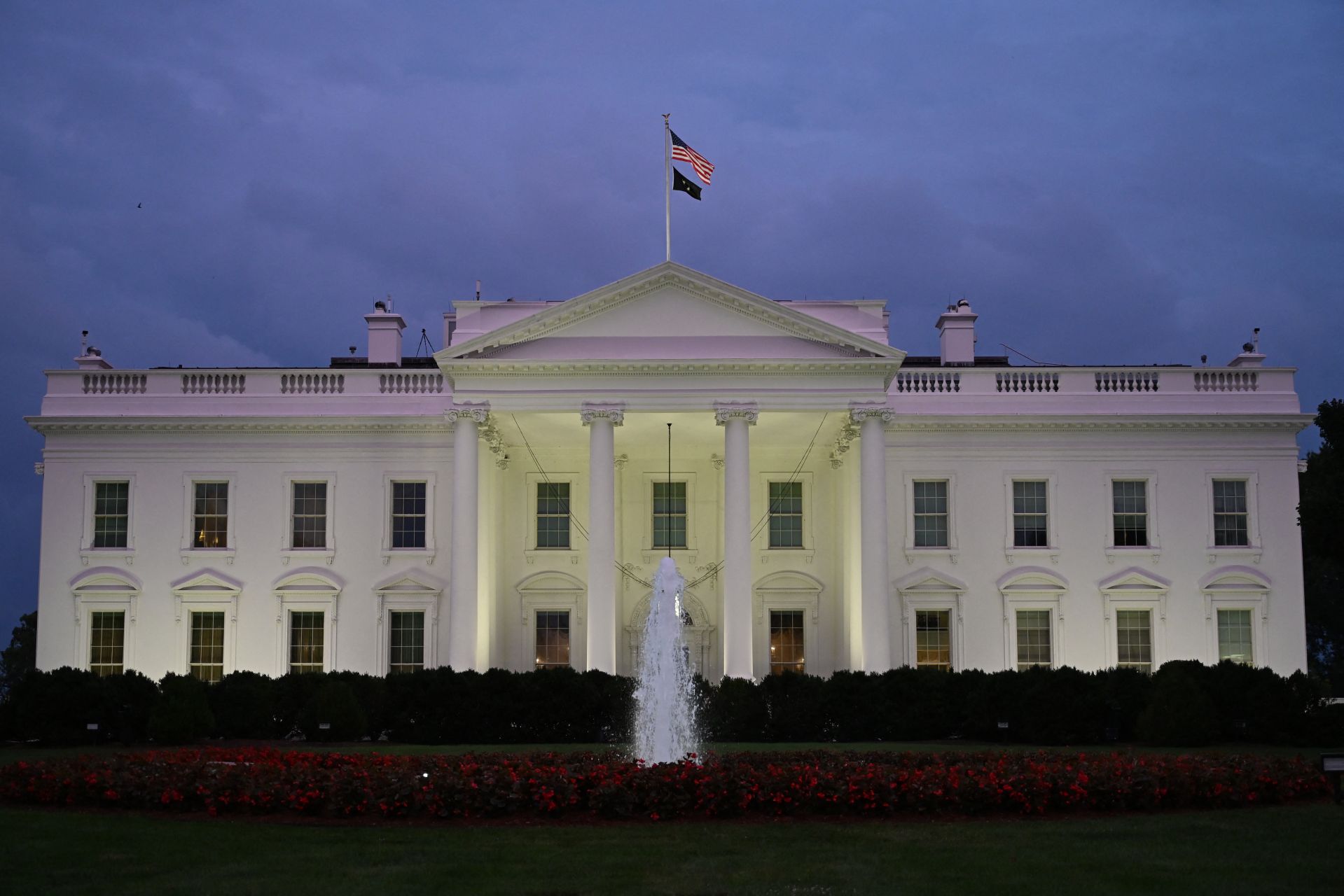
©Alex Wroblewski / AFP
The White House said Thursday that the United States is prepared to maintain its naval blockade on Iran indefinitely, signaling a sharp escalation in economic pressure despite ongoing diplomatic efforts to reach a broader agreement.
White House deputy chief of staff Stephen Miller confirmed that all options remain on the table in dealing with Iran, as President Donald Trump pushes for what was described as a “safe and guaranteed final solution” to the crisis.
Miller emphasized that the maritime blockade targeting Iranian ports and shipping routes could be sustained “for an unlimited period,” describing it as a key lever to weaken Tehran’s financial capacity and force a shift in its strategic behavior.
Massive Military Deployment Enforcing the Blockade
The escalation is backed by a significant U.S. military presence in the region.
According to the U.S. Central Command, approximately 10,000 American troops have been deployed alongside more than a dozen naval vessels positioned across the Gulf of Oman and the Arabian Sea. The operation also includes fighter jets and surveillance drones tasked with monitoring and effectively restricting commercial maritime traffic linked to Iran.
CENTCOM officials said the blockade has already disrupted maritime activity, claiming that multiple vessels attempting to depart Iranian ports were turned back in the first 48 hours, with no successful commercial crossings recorded.
Economic Pressure as Strategic Tool
U.S. officials have framed the blockade as part of a broader strategy aimed at forcing Iran into a comprehensive agreement.
Experts estimate that the maritime restrictions could cost Iran up to $350 million per day in lost revenue, significantly tightening pressure on an already strained economy.
Despite this, Iranian officials have publicly downplayed the impact, pointing to alternative land-based trade routes, although analysts widely consider these insufficient to offset maritime losses.
Diplomacy Continues But Under Pressure
The escalation comes as Washington explores the possibility of a second round of negotiations with Tehran, likely to be held in Islamabad. White House Press Secretary Karoline Leavitt told reporters further talks “would very likely” be in the Pakistani capital. “Those discussions are being had,” Leavitt said, and “we feel good about the prospects of a deal.”
US Vice President JD Vance, who led the first round of talks, has said Iran is being offered a “grand bargain” to end the six-week war with Israel and the United States and address the decades-old dispute over Tehran’s nuclear program.
Meanwhile, Israeli Prime Minister Benjamin Netanyahu warned that the war could resume at any moment, stressing that Israel remains prepared for all scenarios and continues to coordinate closely with Washington.
“We want to see Iran’s enriched material removed, and we want to see the elimination of its enrichment capability inside Iran. And of course, we want to see the reopening of the straits,” he declared.
Read more

Comments