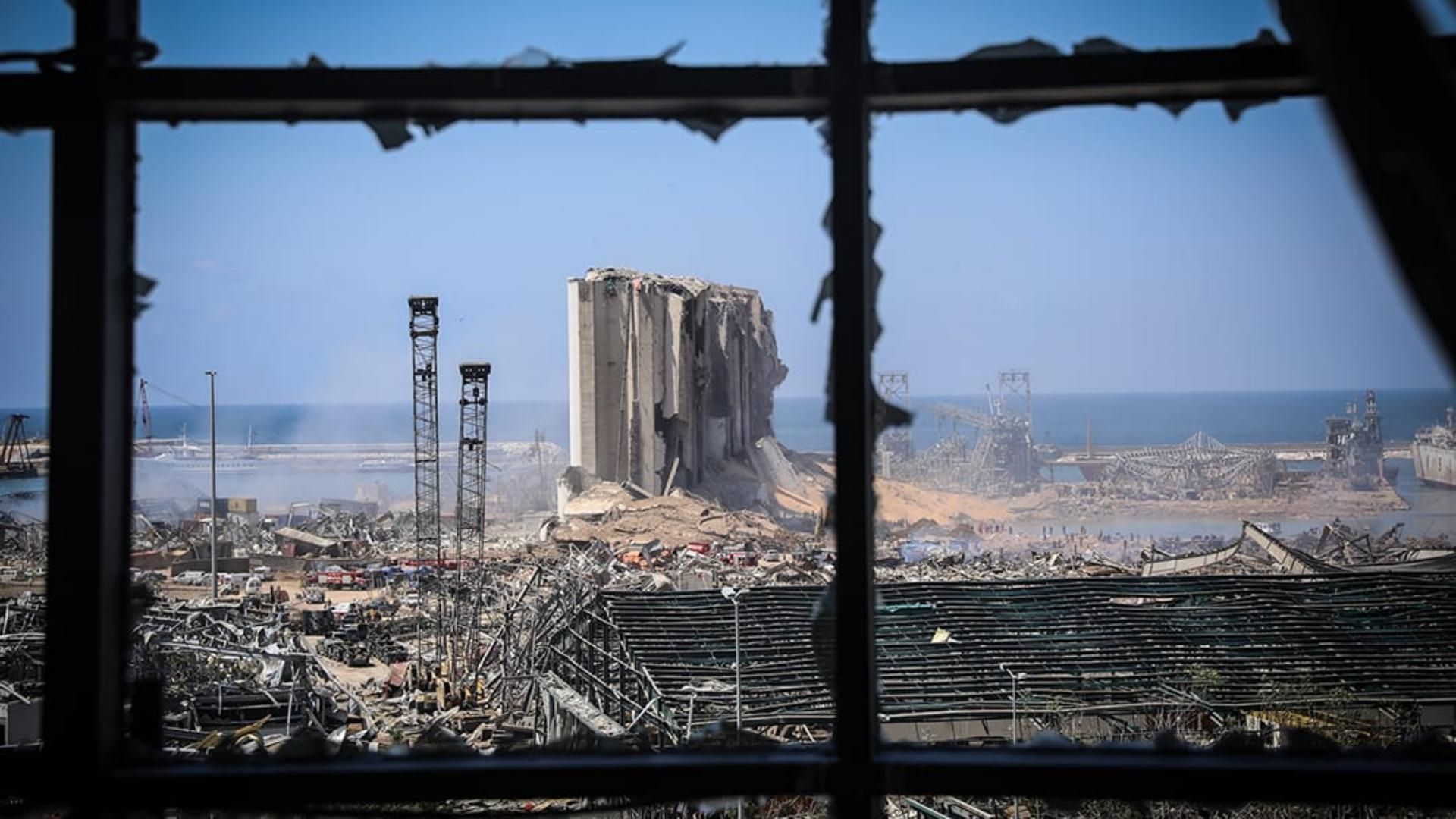
Judge Tarek Bitar, the judicial investigator in the Beirut port explosion case, has concluded his investigations and referred the entire file to Deputy Public Prosecutor General Judge Jamal Al-Hajjar for review, Lebanon’s National News Agency reported on Monday.
The refered defendants, all of whom have been questioned since early 2025, will now have their files reviewed before any decisions are taken. Seventy people were indicted in the case.
Beirut Port Explosion
On 4 August 2020, a massive blast rocked the port of Beirut when around 2,750 tons of unsafely-stored ammonium nitrate detonated. The explosion killed over 200 people, injured more than 7,000, and left hundreds of thousands homeless due to widespread destruction throughout the city.
According to Human Rights Watch, the investigation into the Beirut port explosion has been protracted and politically contentious. The lead judicial investigator at the time, Judge Fadi Sawan, initially brought charges against port and security officials, but the process stalled amid persistent political interference and legal obstacles.
Judge Tarek Bitar resumed the investigation, questioning high-level officials and overseeing the examination of dozens of defendants.
Bitar’s investigation has pursued a wide range of figures connected to the disaster. In late 2025, Bitar traveled to Bulgaria to interrogate the owner of the Rhosus, Igor Grechushkin, in connection with the ammonium nitrate shipment that ultimately exploded. Grechushkin was arrested in 2025 under an Interpol red notice issued by Lebanese authorities based on charges related to the import and storage of the explosive material, but his extradition was rejected by a Bulgarian court.
Hezbollah Allegations and Impunity Concerns
There is also recurrent speculation of Hezbollah involvement in the explosion, with accusations ranging from direct Hezbollah ownership over the ammonium nitrate, to neglecting its proper storage or accepting bribes to overlook irregularities. Beirut’s seaport has a well-documented history of cooperation with Hezbollah elements.
Last year, IDF Spokesmen alleged that specialized Hezbollah cell Unit 121 assassinated four Lebanese figures who had information implicating the Shiite militia, but no direct action was taken on the matter. The matter is tied up in larger issues of Hezbollah impunity in Lebanon, as the state judiciary remains unwilling to seriously challenge Hezbollah dominance.

Comments