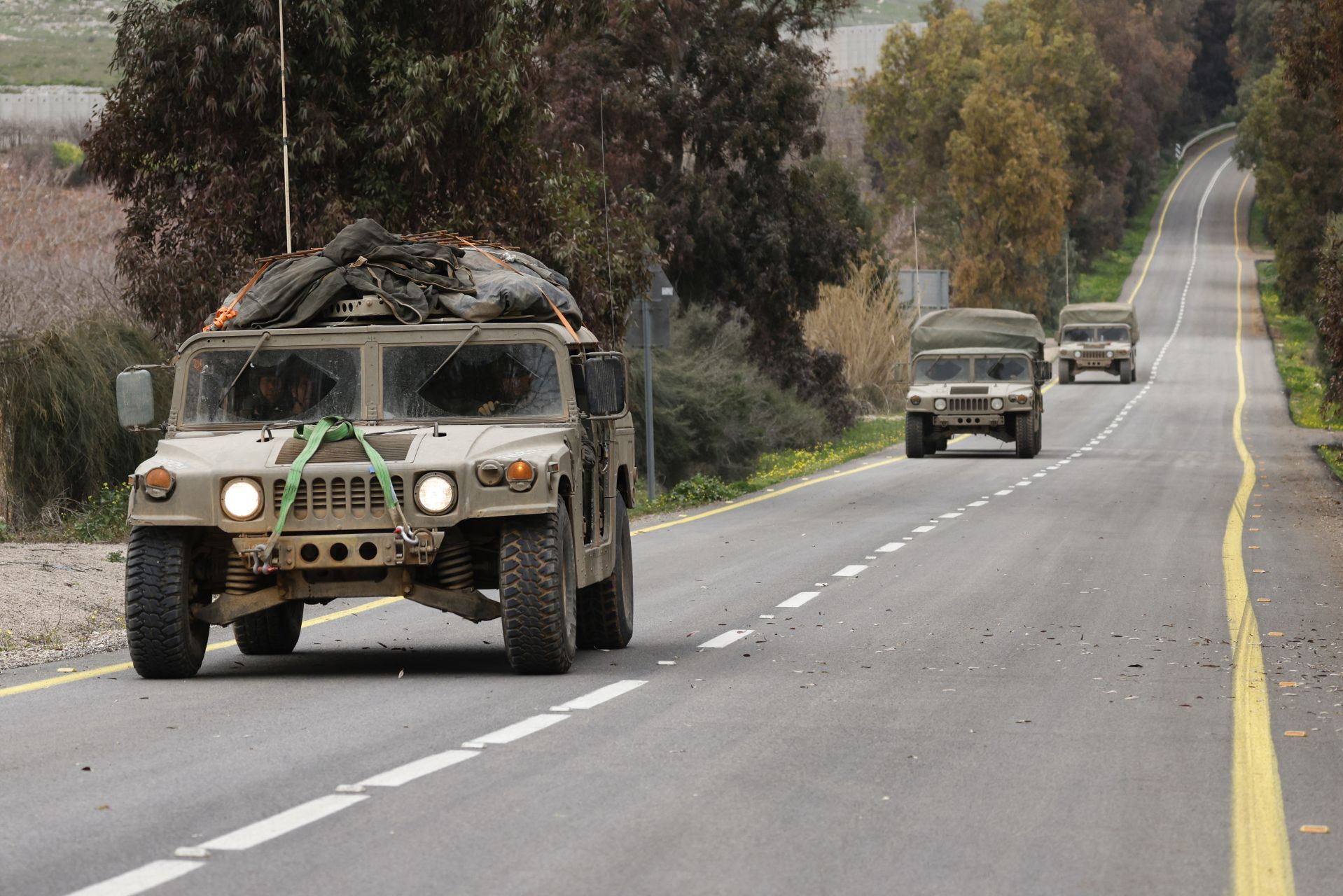
Israeli Defence Minister Israel Katz said the military "will control… a security zone up to the Litani" river, adding that displaced Lebanese residents will not return south of the river "until security is guaranteed for the residents of the north" of Israel. The territory between the border and the Lebanese river is roughly 30 kilometres (20 miles) deep and includes the cities of Tyre and Nabatieh.
The statements follow Finance Minister Bezalel Smotrich’s comments Monday, in which he called on the army to occupy more of the country, saying, “just as we control 55% of Gaza, we should do the same in Lebanon.”
The remarks, made amid ongoing military operations, coincide with a growing pattern of strikes on key transport routes, particularly bridges linking southern Lebanon to the rest of the country.
Theater of Operations
Following Israel Katz’s declaration on Sunday that all river crossings over the Litani River “used for terrorist activities” would be destroyed, the IDF issued warnings that it would target the Arzay Bridge, which was subsequently struck.
The total count of destroyed bridges is now at five, according to a statement by the Defense Minister, who told the Army Chief of Staff on Tuesday that the military would "control the remaining bridges and the security zone up to the Litani." He defined the operation as creating a "defensive buffer.”
Beyond immediate military objectives, the systematic targeting of bridges and transport networks is reshaping southern Lebanon’s connectivity, raising the prospect of prolonged isolation.
Human Toll
The area south of the Litani has seen vast destruction since hostilities erupted between Israel and Hezbollah in 2023 in the wake of the Gaza war, and despite a November 2024 ceasefire, fighting has continued sporatically since.
Many border villages were largely empty of residents even before the Israeli army resumed heavy bombardment and incursions into the area since the latest war erupted more than three weeks ago, according to AFP.
In the last three weeks, those who remained have fled to other parts of Lebanon and abroad, with the International Organization for Migration (IOM) saying over one million people are now displaced, with another 130,000 people fleeing to Syria.
Over 134,000 displaced people are currently sheltering in 644 collective sites across Lebanon, according to national authorities. The IOM states that the displacement is putting severe strain on public infrastructure.
Comments