- Home
- Middle East
- Ali Larijani, Iran’s strategic mastermind and de Facto Ruler
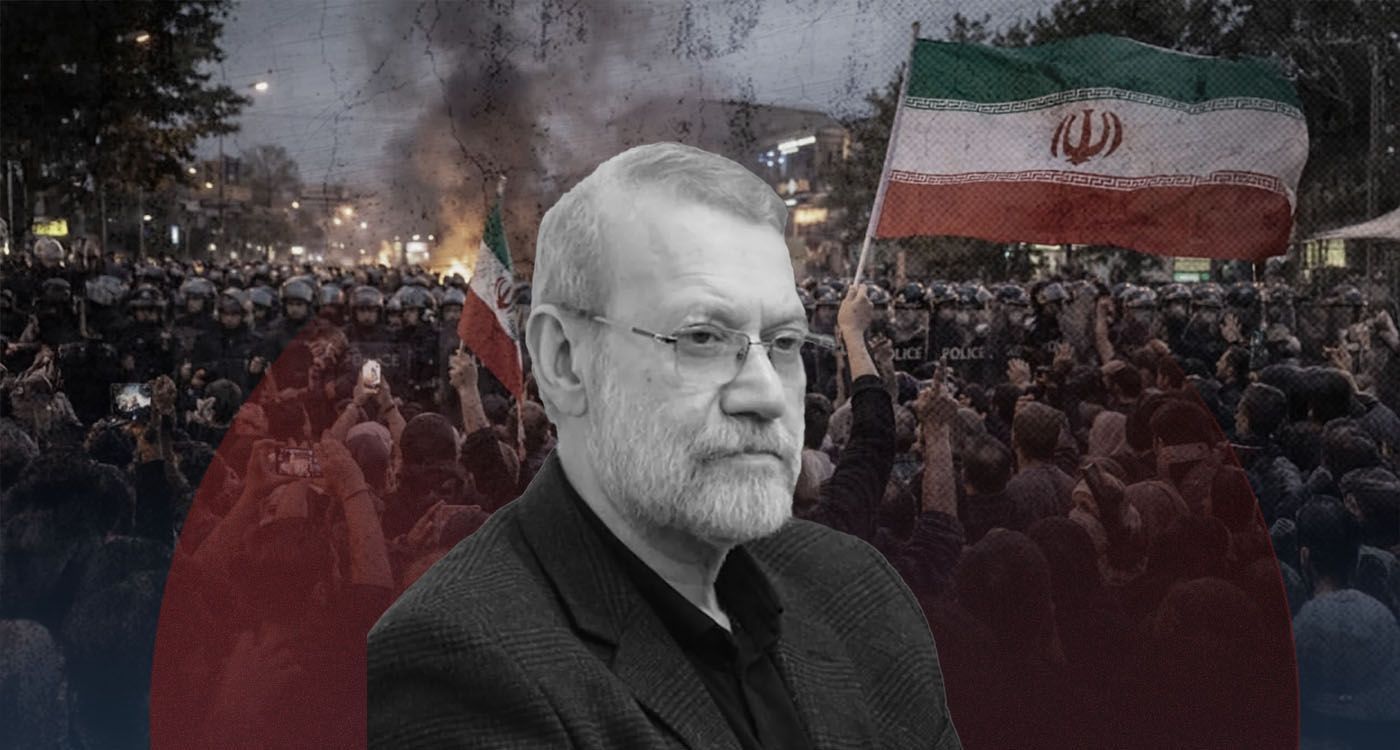
Ali Larijani, secretary of Iran's Supreme National Security Council, ©This is Beirut
Israeli Defense Minister Israel Katz confirmed on Tuesday that the Israeli army had killed Ali Larijani, secretary of Iran's Supreme National Security Council, in an airstrike in Tehran as part of its operation against Iran.
Larijani’s death comes amid an open war following the killing of Ayatollah Ali Khamenei in late February—an event that had already reshaped the regime’s hierarchy and created a strategic vacuum at the top of the state.
A man at the heart of Iran’s power structure
At 67, Larijani was neither president nor supreme leader, yet since early 2026, he had effectively been steering an Iran on the brink. As nationwide protests intensified and pressure from the United States and Israel mounted, Khamenei entrusted him with coordinating key decisions, gradually sidelining President Masoud Pezeshkian.
A veteran of Iran’s political establishment, Larijani came from a prominent clerical and political family. He served as a commander in the Islamic Revolutionary Guard Corps, later spending twelve years as speaker of parliament. In 2021, he was tasked with negotiating a 25-year strategic agreement with China, reinforcing Tehran’s alignment with Beijing.
A central figure in a time of crisis
By 2026, Larijani had accumulated wide-ranging responsibilities: overseeing the crackdown on domestic unrest, coordinating nuclear talks with Washington, managing ties with Russia, Qatar, and Oman, and preparing responses to potential U.S. military action.
Analyst Nasser Imani, close to the government, described him as indispensable: “The Supreme Leader fully trusts Larijani… he is the man for this sensitive juncture.”
During a visit to Doha in February, Larijani told Al Jazeera: “We do not seek war… but if it is imposed on us, we will respond.”
A carefully managed public image
In the weeks before his reported death, Larijani stepped up his public presence—traveling to Moscow to meet Vladimir Putin, engaging with regional leaders, and giving extended interviews. His social media activity—selfies, shrine visits, and cockpit photos—projected accessibility while maintaining a controlled, strategic persona.
Despite his influence, Larijani was never a contender to succeed Khamenei. The role of supreme leader requires senior clerical status, which he did not hold. His record—particularly the violent suppression of the 2022–2023 protests, which NGOs say left at least 7,000 dead—also made him deeply unpopular among segments of the population.
Read more
Comments