- 04
- Mar
- 2026

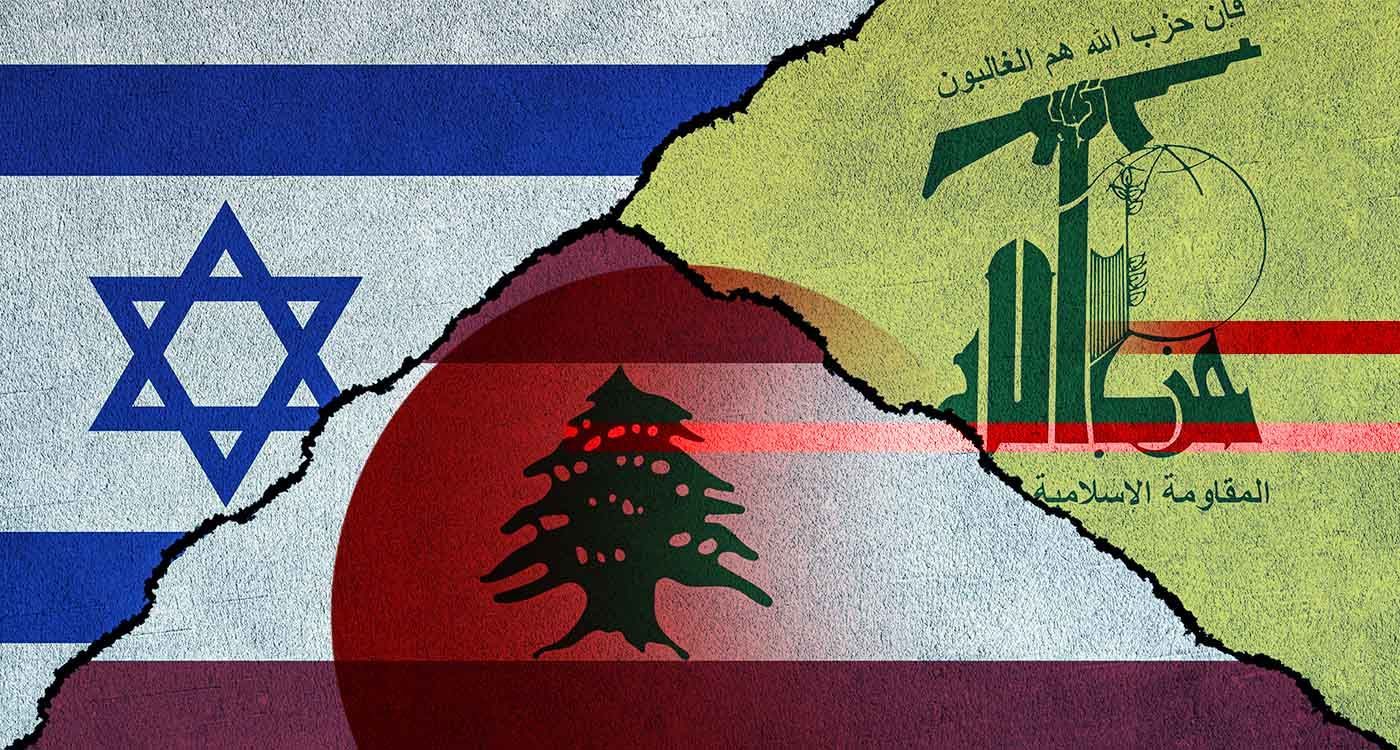
The President of the Republic, Joseph Aoun, and Prime Minister Nawaf Salam informed the ambassadors of the Quintet that the government’s decision banning all military and security activities of Hezbollah will be fully implemented.
According to diplomatic sources, including U.S. ambassador Michel Issa, there will be no cessation of Israeli strikes, no withdrawal, and no reconstruction before Hezbollah’s complete disarmament.
Well-informed political sources say clear instructions have been issued to the Lebanese Army to take action. The army’s commander-in-chief, General Rodolphe Haykal, is reportedly aware that further delays in implementing concrete measures are no longer possible.
The measures are expected to be gradual, so as not to place the army in a precarious position should it confront Hezbollah elements firing rockets, attempting to regain positions south of the Litani, or transporting weapons and ammunition across various regions of the country.
The Lebanese Army is said to possess precise intelligence on rocket locations in southern Lebanon, the Bekaa Valley, and Beirut’s southern suburbs. Some of these sites could reportedly be neutralized without direct confrontation, as Hezbollah’s movements remain constrained by constant Israeli aerial surveillance. In addition, numerous tunnel entrances have allegedly been destroyed or blocked, and any attempt to reopen them would likely be immediately targeted.
Sources also indicate that Hezbollah’s long-range rockets have not yet been used in support of Iran — not by strategic choice, but because some were destroyed in strikes in the northern Bekaa, while others have become inaccessible following the destruction of storage and launch infrastructure.
Israeli actions and statements, they add, point to mounting pressure on Lebanese authorities to enforce the disarmament decision. If that fails, Israel may act independently while also leveraging the Syrian factor, a key pressure point for Hezbollah.
In this context, Israel’s initial step could be the establishment of a new buffer zone in southern Lebanon, designed to separate the Bekaa from the South and concentrate the front line around villages in the Nabatiyeh district. It is not ruled out that Israeli forces could advance to the outskirts of Aichiyeh in the Jezzine district, on the northern bank of the Litani River.
Comments