- Home
- Middle East
- Report: Hezbollah Reassures State of Conditional Neutrality
©Al-Markazia
As Washington and Tehran resume high-stakes negotiations in Geneva on Thursday, described by diplomats as a “last opportunity” to prevent escalation, Lebanon finds itself once again navigating the fault lines of a potential regional confrontation.
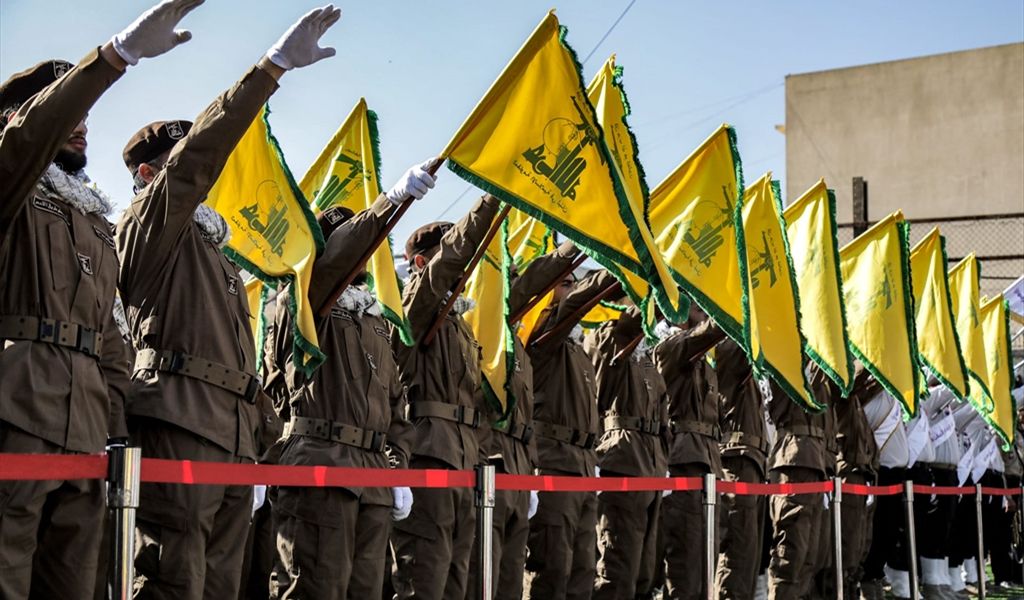
According to senior Lebanese political sources cited by Nidaa Al-Watan, Hezbollah has conveyed reassurances to state authorities in recent hours, indicating it would maintain what was described as “field neutrality” should tensions between the United States and Iran escalate into direct confrontation.
The message, transmitted through established communication channels between the group and Lebanese officials, suggests Hezbollah would refrain from initiating hostilities in the event of a U.S. strike on Iran. However, that position appears conditional. A source quoted by Agence France-Presse said the group would not intervene militarily in the case of “limited” U.S. strikes on Iran but would respond if the objective were regime change in Tehran. The same source indicated that any attack targeting Iran’s Supreme Leader, Ali Khamenei, would be considered a red line.
The shift, if confirmed, marks a notable recalibration compared to Hezbollah’s previous engagement in regional confrontations, including its declared “support front” for Gaza during the 2023–2024 conflict.
Lebanese leadership urges restraint
Against this backdrop, Prime Minister Nawaf Salam publicly warned against dragging Lebanon into a new war. He stressed the need for “reason, wisdom, and national interest” to prevail over regional calculations.
Lebanese officials have reportedly intensified contacts with international partners in recent days amid mounting concern that a U.S.-Iran escalation could rapidly spill over into Lebanon. Diplomatic signals have also reflected heightened alert: the U.S. Embassy in Beirut reduced staff presence, while Australia advised families of its diplomatic personnel in Beirut and Tel Aviv to depart as a precaution.
Domestic pressure shapes Hezbollah’s calculus
Parallel to official efforts, sources within Lebanon’s Shiite political circles indicated growing public fatigue within Hezbollah’s support base. According to these accounts, segments of the constituency are wary of further military engagement following the costs incurred during previous confrontations.
The evolving mood may partly explain Hezbollah’s apparent emphasis on deterrence rather than preemptive involvement. The group’s leadership, however, has not issued a formal public declaration confirming the reported stance.
Military coordination continues
On the security front, meetings of the ceasefire “mechanism committee” were held in Naqoura and Tyre, involving Lebanese and U.S. military officers. Lebanese officials stressed that the mechanism remains operational and denied speculation of external objections to its functioning. They also ruled out the prospect of direct negotiations between Beirut and Tel Aviv at this stage.
International efforts to support Lebanese state institutions are ongoing. France circulated details of a conference scheduled in Paris on March 5 to bolster assistance to the Lebanese Armed Forces and security services, following preparatory discussions in Cairo earlier this week.
Broader regional uncertainty
The diplomatic maneuvering unfolds as Washington continues to reinforce its military presence in the Middle East, while Iran and the United States engage in indirect talks mediated by Oman in Geneva. Analysts describe the current phase as particularly volatile: both sides publicly emphasize diplomacy while simultaneously signaling readiness for confrontation.
For Lebanon, the margin for error appears narrow. Officials are attempting to insulate the country from the potential fallout of a wider regional conflict, but the durability of Hezbollah’s reported conditional neutrality, especially in the event of a broader strike targeting Iran’s leadership, remains uncertain.
Read more
Comments