- Home
- Middle East
- U.S. Official Tells TIB that Iran Talks Still Possible After Geneva, but Major Gaps Remain
©This is Beirut
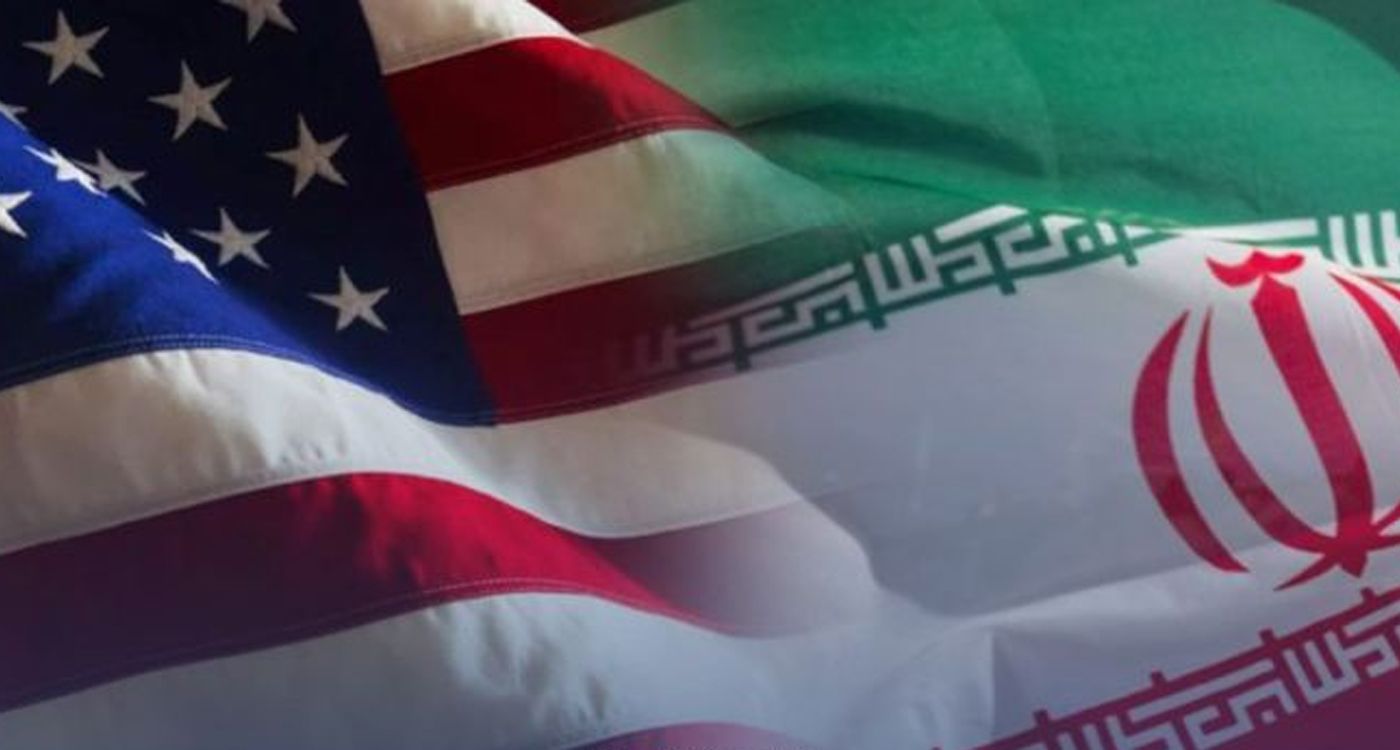
In a statement to This is Beirut, a U.S. senior official stated that there is still a diplomatic path with Iran after Tuesday’s dialogue in Geneva, but many key points on the nuclear issue remain unresolved.
The official stated that “today’s Geneva talks showed that a diplomatic path still exists, but it will move forward only if Iran accepts strict, verifiable limits on its nuclear activities.”
President Donald Trump has expressed a position of no nuclear weapons for Iran in January, and his administration has demanded an end to Iranian domestic uranium enrichment processes. Also in January, they included a limitation on range and quantity of ballistic missiles and an end to support for its proxy network in a three-point list of demands to Iran. However, Iranian officials insist that talks remain solely focused on the nuclear issue.
U.S. officials originally insisted that nuclear talks also include discussions on the other two demands, which is a position Israel has continued to urge in Prime Minister Benjamin Netanyahu’s visit to the White House last week. Dialogue on those demands were absent from the Muscat and Geneva meetings with Iranian officials.
Iran has expressed openness to dilute its enriched uranium in exchange for sanctions relief, as well as allowing a mechanism to investigate their nuclear program, signalling openness to negotiate on this front. At the same time, the White House has commented that they are looking for more concessions.
The U.S. Senior Official told This is Beirut that “the United States presented clear requirements, and while Iran indicated some openness on technical points, it rejected key issues, leaving serious gaps between the sides.”
As the U.S.-Iran talks in Geneva were under way, both the U.S. and Iran have further increased their military activity. In addition to the second aircraft carrier ordered by Trump to reposition from the Caribbean to the Middle East, over 50 additional U.S. military planes were moved to bases in the region.
In the statement to This is Beirut, the U.S. official added that “to underscore its position, the United States has assembled substantial military forces in the region, including carrier strike groups and additional air and naval assets, making clear it is fully prepared to act if negotiations fail.”
VP Vance: Iran unwilling to acknowledge “red lines”
In parallel, U.S. Vice President J.D. Vance said said some progress was made in the second round of nuclear talks with Tehran in Geneva on Tuesday, but that in other ways, “the president has set some red lines that the Iranians are not yet willing to actually acknowledge and work through.”
Among those red lines is that Iran must not obtain a nuclear weapon, said Vance, arguing that a nuclear Islamic Republic would lead to an arms race across the world that would be dangerous for America. While Iran claims it is not seeking nuclear arms, “there are a number of things that make it clear that they are interested in acquiring a nuclear weapon,” said Vance.
“The president of the United States is very much trying to find a solution here, whether it’s through diplomatic options or through another option, that means the Iranians cannot have a nuclear weapon,” Vance said.
Earlier on Tuesday, Iran temporarily closed the Strait of Hormuz for live-fire missile drills. On Monday, Iran carried out naval exercises along its southern coast as well. Ayatollah Khamenei also stated that a U.S. warship in the Gulf could be sunk.
Despite the threats of military escalation, both the U.S. and Iran signal their preference for resolution through diplomacy.
The U.S. official told This is Beirut that “the United States prefers a negotiated resolution, but Iran should understand that the direction from here depends on its choices.”
Read more


Comments