- Home
- Middle East
- A Month of Crisis in Syria and Its Regional Ramifications
- 01
- Feb.
- 2026

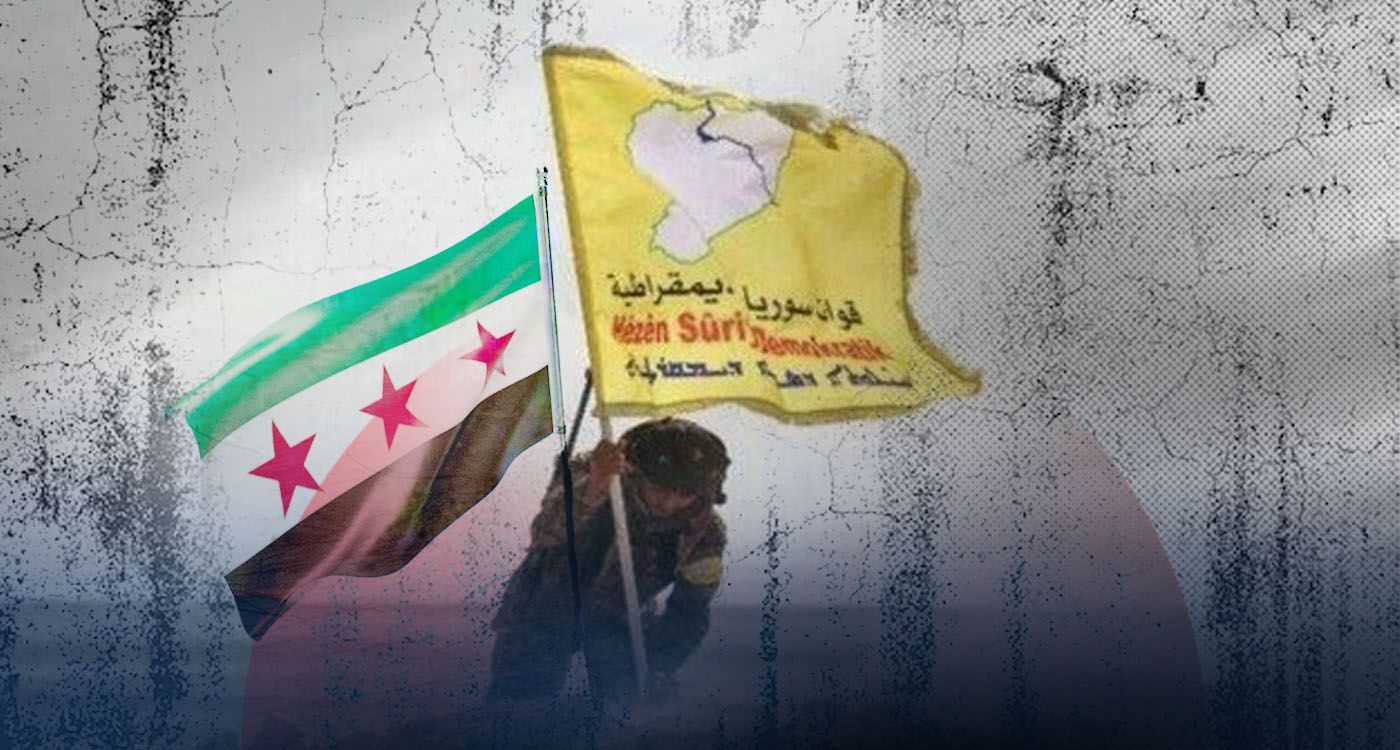
Syria has experienced another dramatic transformation. After a month of clashes that began in Aleppo and spread to eastern Syria, Damascus announced on January 30 that it had reached an agreement with the Syrian Democratic Forces (SDF) for a ceasefire and its military integration. The Syrian transitional government now controls most of the country, the largest change in the geopolitical landscape of the country since the fall of the Bashar al-Assad regime.
This shift will have major regional implications, including for Iraq over the issue of ISIS detainees in Syria. Meanwhile, it could lead to breakthroughs in ongoing talks between Israel and Syria. The most consequential outcome of events in Syria has been the reversal of the SDF’s fortunes. By the end of January, the SDF had lost most of its territory in eastern Syria.
Formed in 2015, the SDF was supported by the U.S.R as a local partner for fighting ISIS. A Kurdish-led group staffed with thousands of ethnic Arab troops, the SDF’s origins lie with the Kurdish People’s Protection Units (YPG). Turkey views both the SDF and YPG as Syrian offshoots of the Kurdistan Workers Party (PKK), which has waged a decades-long insurgency against the Turkish state.
Prior to last month’s fighting, the SDF and Syrian government had sought a settlement on the SDF’s integration. An agreement in March 2025 failed to produce meaningful progress, as the SDF continued to hold areas it had taken over in the Syrian civil war. For Syria’s new government, which seeks to consolidate its rule over the country, this was unacceptable. Damascus has been challenged in this endeavor not only by the SDF, but also Druze forces in Suweida and Israel. However, the U.S. has come to back the Syrian government’s efforts to secure and unify the country.
The SDF’s collapse exposed its difficulties in administering the majority-Arab populated territories it took over in 2017 after the defeat of ISIS. The group faced challenges making inroads with ethnic Arab residents in eastern Syria. Although some tribes, including the Shammar, worked well with the SDF, others resented the group for its left-wing ideology and being Kurdish-led.
When the Assad regime fell, many tribes in eastern Syria were inspired by Ahmad al-Sharaa’s rise to power. During the first anniversary of the fall of Assad, the SDF banned celebratory gatherings, claiming they were security threats. In retrospect, it appears the group’s larger concern was that these celebrations might turn into protests with political demands.
The new Syrian government outmaneuvered the SDF in mid-January, forcing it into a rout from Arab-majority areas. This left the SDF only in control of Kobane on the Turkish border as well as Hasakeh, Qamishli and a few other places, which was the extent of the YPG’s control in 2014. In essence, over a decade of military gains by the SDF had been erased by a few days of fighting. For the Kurds, who warned of the possibility of massacres against them, this was a traumatic reversal.
However, the January 30, 2026 deal appears to address some Kurdish concerns. It calls for the withdrawal of military forces from Hasakeh and Qamishli, to be replaced by Ministry of Interior personnel as part of a process of security integration. The deal provides for three SDF brigades to join a new division. SDF members will join the Syrian security forces on an individual basis, meaning the goal of Damascus is not to simply absorb the SDF as a group. Damascus will also now assume control of border crossings from eastern Syria to the Kurdistan Region of northern Iraq.
Syria is looking to cement its gains. Sharaa went to Moscow in late January and also held a call with the UAE’s president. Other wheels are in motion. U.S. Ambassador to Turkey and envoy to Syria Tom Barrack praised the January 30 agreement. Meanwhile, the U.S. Central Command has said it will transfer many ISIS detainees from Syria to Iraq.
This poses a challenge for Iraq, which likely does not want to accept an estimated 7,000 detainees. Some Iraqi politicians are also angry at the Trump administration after it said that former Iraqi Prime Minister Nouri Al-Maliki should not return to office. Maliki, who is considered very close to Iran, was in charge in 2014 when ISIS took over swathes of Iraq. Iranian-backed militias in Iraq continue to threaten the U.S. forces that are amassing in the region amid Washington’s warnings of possible military action against Iran. It appears that Iraqi Shiite political parties will continue to back Maliki, raising the risk of a political crisis both within Iraq and in its relations with the U.S.
Changes in Syria have the potential to reshape regional trends. The collapse of the SDF is similar to the collapse of the Southern Transitional Council in Yemen, showing that some of the armed groups that have run areas in the region are now facing new challenges. While the Syrian government is trying to reduce concerns among the Kurdish minority, it will need to demonstrate that it can be trusted. The Kurdish leadership in northern Iraq has also been working to ensure that Kurds in Syria are not harmed.
The Syrian government’s gains could also impact ties with Israel. Israel did not back the SDF during the clashes, despite previous support for Kurds among politicians in Israel. As such, it is possible that Israel has decided to scale back its policy of intervening in Syria now that the government has shown it is capable of unifying the country.
Read more

Comments