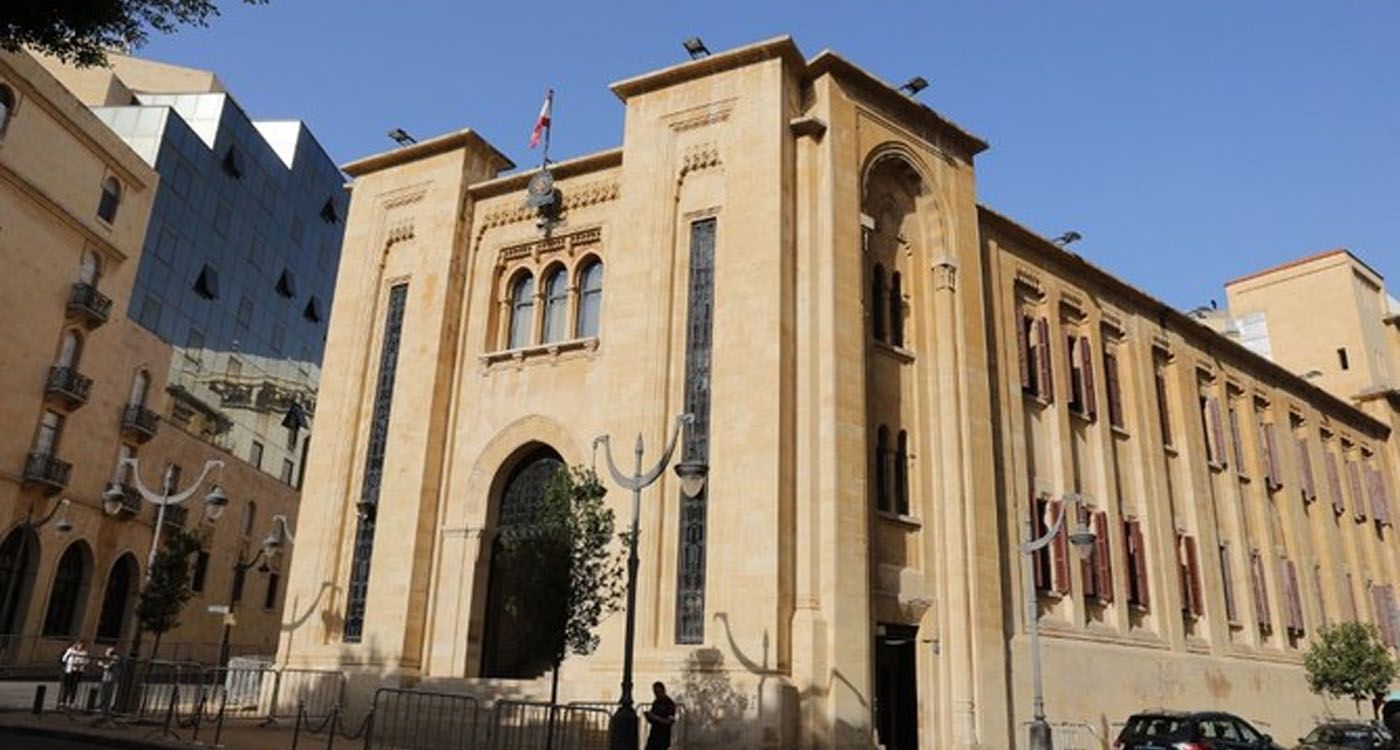
Lebanon’s parliament continued its debate on the 2026 budget on Wednesday, with lawmakers focusing on the financial gap law, the rights of depositors, and the need to restrict weapons as key obstacles to the country’s recovery.
The session, chaired by Speaker Nabih Berri, marked the second day of discussions on the draft budget, which was introduced on Monday. While the debate covered a range of fiscal issues, several MPs returned repeatedly to three themes they said undermine Lebanon’s stability: the financial gap law, fairness for depositors, and the proliferation of arms.
MP Cynthia Zarazir was among the most direct critics of the “Gap Law”, describing it as “useless,” signaling growing frustration among lawmakers who argue that the measure has failed to address Lebanon’s structural economic problems and has instead reinforced corruption.
Other MPs linked the “Gap Law” to broader financial failures, particularly in how the state has handled the banking crisis. MP Michel Daher called for solutions that would restore confidence in the banking sector and ensure fair solutions for depositors to address the financial gap.
Daher also addressed security concerns, arguing that the presence of armed groups in Lebanon deters investment. “We must limit weapons to attract investments,” he said, echoing a growing sentiment among lawmakers that the country’s security environment must be addressed as part of any economic recovery plan.
The session also included criticism of the budget’s structure, with lawmakers arguing that it relies too heavily on taxes while offering limited investment. They warned that the budget fails to tackle the underlying causes of Lebanon’s fiscal collapse and instead places the burden on ordinary citizens.
As the debate continues, the focus on the gap law, depositors’ rights, and arms control indicates that lawmakers view these issues as central to any meaningful reform. While the budget itself remains the formal subject of discussion, the recurring criticisms of the “Gap Law” suggest that parliament is using the debate to highlight these national challenges.



Comments