- Home
- Middle East
- Syria Confirms U.S.-Mediated Talks With Israel
©Shutterstock
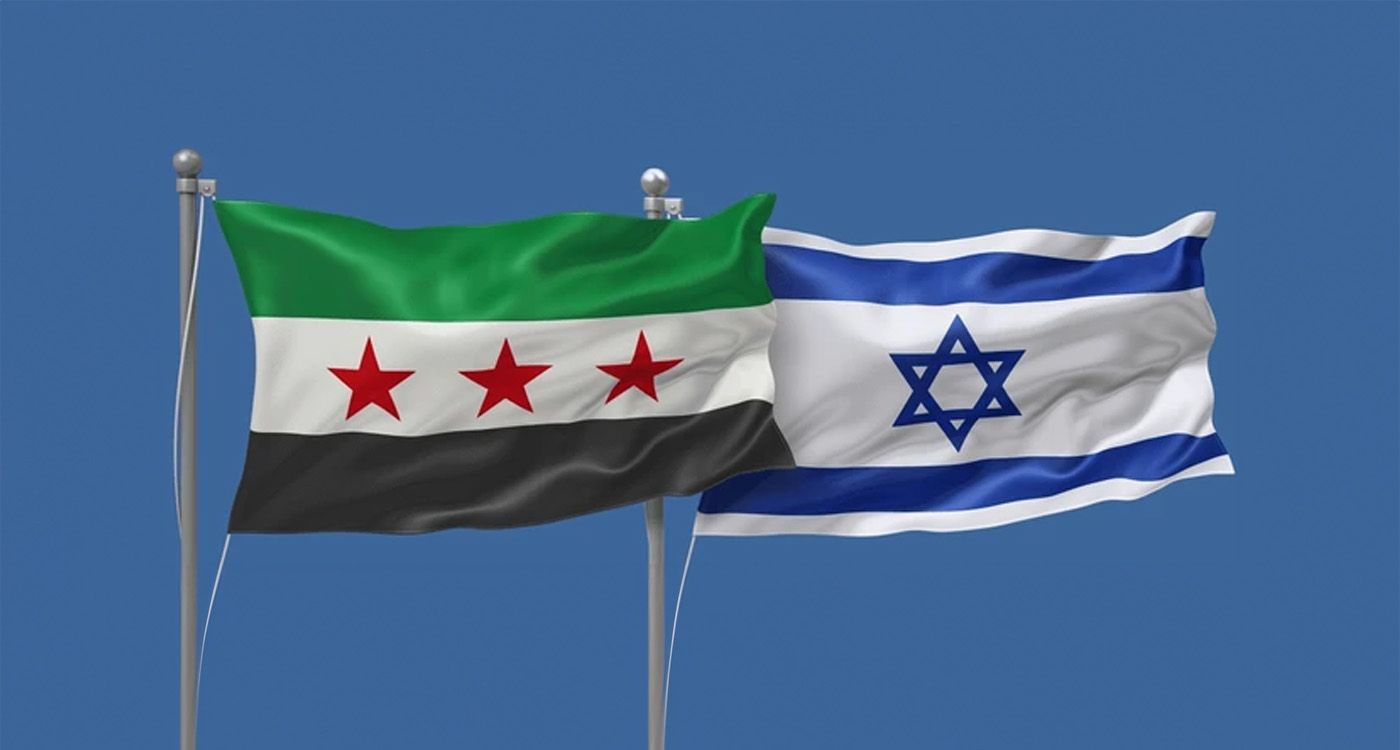
Syria has confirmed that it is participating in a new round of negotiations with Israel, coordinated and mediated by the United States, according to a Syrian government source.
The source said the Syrian delegation is headed by Foreign Minister Asaad Hassan al-Shibani and General Intelligence chief Hussein al-Salama and is taking part in the current talks with the Israeli side under U.S. auspices.
Speaking to Syria’s official news agency, the government source said the resumption of negotiations reflects what it described as Syria’s “firm commitment to restoring its non-negotiable national rights.”
According to the source, the talks are primarily focused on reactivating the 1974 Disengagement Agreement, with the aim of securing an Israeli withdrawal to positions held prior to December 8, 2024.
The source added that Syria is seeking an “equitable security framework” that places full Syrian sovereignty above all other considerations and guarantees the prevention of any form of interference in Syria’s internal affairs.
Context: Why the Talks Matter
The 1974 Disengagement Agreement, brokered after the October War, the October War of 1973, when Syrian and Egyptian forces launched a coordinated offensive against Israel in an attempt to reclaim territories lost during the 1967 Arab-Israeli War. The agreement established ceasefire lines and buffer zones along the Golan Heights, overseen by United Nations forces, and has since served as the primary framework governing military separation between Syria and Israel.
The agreement has long governed the separation of Syrian and Israeli forces along the Golan Heights and is overseen by the United Nations. Any effort to revive or amend it comes amid heightened regional tensions following the collapse of long-standing power balances in Syria and the wider region.
The confirmation of direct, U.S.-mediated negotiations marks a significant diplomatic development, particularly as Washington intensifies its involvement in regional security files involving Syria, Israel, and Lebanon. It also signals a potential shift from indirect signaling to formal engagement at a time when military escalation risks remain high.
Read more



Comments