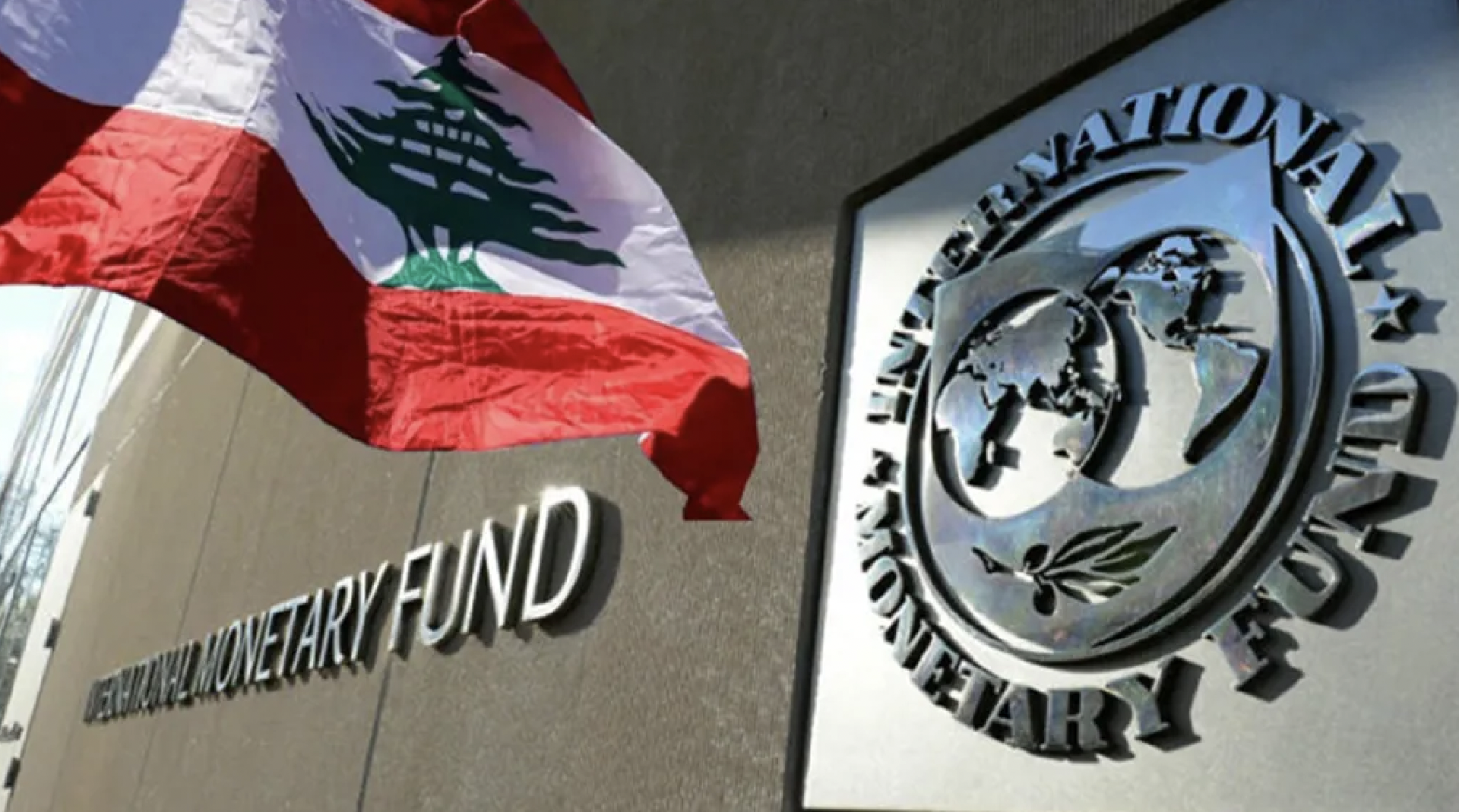
The Central Bank of Lebanon (BDL) issued observations regarding the International Monetary Fund (IMF)’s recent comments on the financial gap bill. BDL described the IMF’s remarks as risky and inconsistent with accounting and financial standards, noting that there is no historical precedent in a systemic crisis where a state first erodes the equity of all banks and then imposes a full recapitalization. In all reviewed cases, the process begins with assessing the condition of individual institutions, followed by resolving or recapitalizing troubled banks, sometimes including equity write-offs in specific banks, but never applying this across the entire sector.
BDL emphasized that IMF internal reviews of programs in Asia follow a standard sequence for identifying balance sheet imbalances. This includes asset quality assessments and stress tests, followed by resolution or recapitalization of troubled banks, and only then, if necessary, reducing shareholders’ equity in the affected institutions. No IMF guidance recommends preemptively wiping out equity across the entire banking sector prior to diagnosis.
Independent studies by the Bank for International Settlements, the World Bank, and the Independent Evaluation Group confirm that when institutions are closed, recapitalization frameworks are applied without any policy requiring blanket elimination of equity. In other words, bank capital and shareholders’ funds, and by extension deposits, cannot be wiped out as a precondition for receiving IMF support.
What are the key technical observations BDL made in response to IMF comments on the financial gap bill?
Accounting and Auditing Standards: Diagnosis Must Precede Remedies
Under applicable international accounting standards, particularly International Financial Reporting Standard IFRS 9 and International Accounting Standard IAS 36, impairment tests and fair value remeasurements must be conducted before any adjustments are made to the equity of the affected institutions. Reassessing BDL’s balance sheet is the cornerstone and starting point of any resolution process. The true equity position of each bank can only be determined once this assessment is completed and approved. This is followed by an Asset Quality Review in line with international accounting standards (IFRS). Non-performing claims are removed as part of this process, after which the hierarchy of claims is applied, beginning with shareholders’ equity.
All established resolution frameworks, including the European Union’s Bank Recovery and Resolution Directive (BRRD), the practices of the US Federal Deposit Insurance Corporation (FDIC), and Lebanese Banking Law No. 23 of August 14, 2025, require that losses cannot be allocated until non-performing or troubled claims have been identified and removed. Departing from this principle could result in losses being allocated based on uncertain, inflated, or disputed figures and violates private law principles governing bank resolution, which require clean and verified balance sheets before applying the hierarchy of claims.
International Precedents
BDL, reiterating that Lebanon is facing a systemic crisis, emphasized that there is no historical precedent of a state first eroding the equity of all banks before imposing a full recapitalization. In all reviewed cases, the process begins with assessing individual institutions, followed by the resolution or recapitalization of troubled banks. While equity write-offs may occur in specific banks, they have never been applied across the entire sector.
To illustrate its approach, BDL referenced international precedents in crisis management, highlighting how authorities managed the crises and how the banking sector and central bank responded. In Cyprus in 2013, exceptional profits linked to Emergency Liquidity Assistance and high-yield instruments were only recognized after independent evaluation of the accounts of the state and central bank. In Sweden between 1991 and 1993, the government guaranteed bank obligations, conducted assessments, and selectively intervened, recapitalizing banks and temporarily taking ownership in some cases, such as Nordbanken, without wiping out equity across the sector, leaving the banking system intact.
In the United States following the 2008–2009 mortgage crisis, authorities injected capital through the TARP program and conducted stress tests via the Federal Reserve to identify gaps and impose targeted capital increases. No complete nationalization or blanket equity write-off occurred, and BDL cited this along with other international cases to support its response to the IMF’s observations on the financial gap bill.

Comments