- 12
- Dec.
- 2025

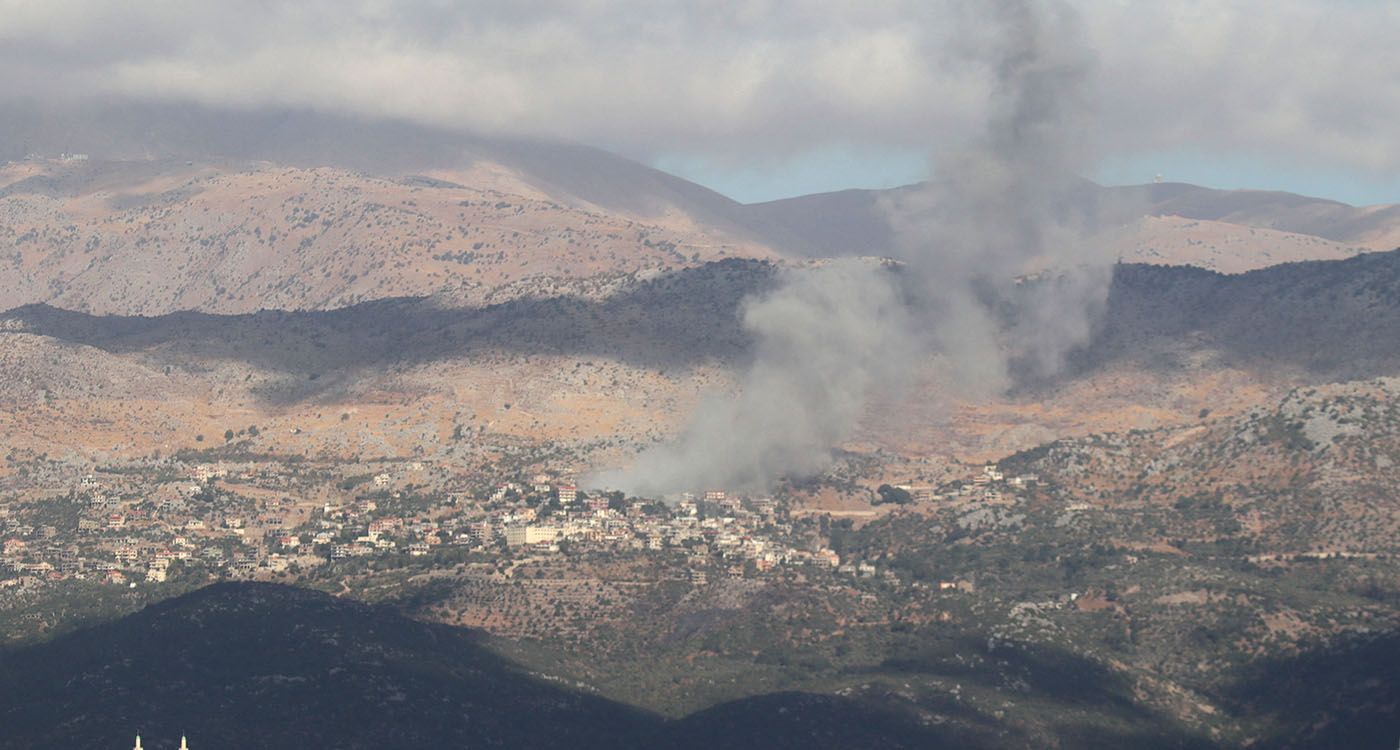
The run-up to the mechanism meeting scheduled for December 19 is shaping up to be particularly tense—and for good reason. Israel has been gathering extensive data on Hezbollah’s efforts to rebuild its military capabilities. Israeli representative Yury Reisnick is expected to present these findings to the head of the Lebanese delegation, former ambassador Simon Karam. Since the first meeting on December 3, held with the participation of civilian officials, the Israeli Air Force has already struck Hezbollah facilities twice in both the South and the Bekaa.
According to Western diplomatic sources, Israel’s willingness to heed Western and Arab efforts to prevent a major offensive hinges on a stronger commitment from the Lebanese state to curb Hezbollah and block the reconstruction of its arsenal. Despite the recent strikes, the government’s actions are being watched closely—particularly ahead of the next mechanism meeting and Israeli Prime Minister Benjamin Netanyahu’s visit to Washington to meet U.S. President Donald Trump.
Israel, the same sources note, has been issuing increasingly blunt warnings, voiced both through the media and diplomatic channels, in terms that are nothing short of explicit. Yet Tel Aviv continues to keep deliberately vague the timing, scale, and nature of any potential operation—whether it intends a strictly aerial campaign or plans to combine airstrikes with ground incursions and landings in various regions, especially the South and the Bekaa.
Under growing pressure, the Lebanese government has stepped up its diplomatic outreach and is awaiting the monthly report from Army Commander General Rodolphe Haikal, due on January 5 before the Council of Ministers. This report is expected to confirm that the area south of the Litani River is free of weapons and fighters and to outline the next phases of the plan to disarm Hezbollah across the country.
According to the same diplomatic sources, however, Hezbollah is acting as though the ceasefire no longer applies south of the Litani and as if it still has the authority to operate elsewhere in Lebanon and decide unilaterally on matters of war and peace, in preparation for a future confrontation with Israel. The sources stress that Hezbollah will never willingly give up the south of the Litani. As long as it retains its weapons, it will seize any opportunity to reestablish its presence there, relying on its longstanding claim that any attempt by the state to challenge its arsenal would plunge the country into civil strife.
In the end, these sources say, Hezbollah now faces a defining choice: risk another massive and devastating Israeli strike, or pursue a compromise that would ensure its survival and offer its own community lasting stability, a necessary foundation for any real development.



Comments