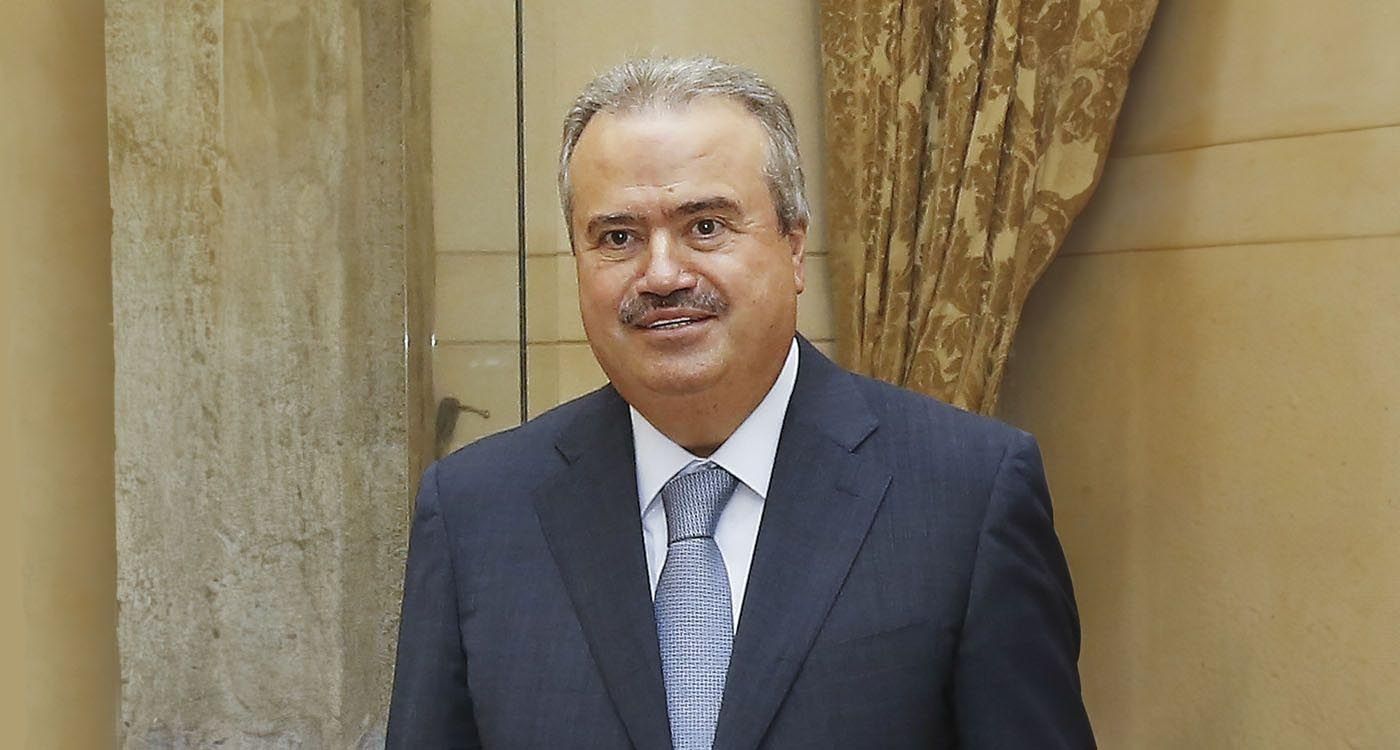
Lebanon’s Finance Minister Yassine Jaber sparked widespread controversy by backing International Monetary Fund conditions, saying “the biggest losers of the reform would be the state and the banks.”
Depositors dispute his claim, saying ordinary citizens who lost access to their savings are the real victims.
According to the “Depositors’ Cry” page, the minister’s statements are deemed “inaccurate.” Depositor representatives say the plan would convert much of their deposits into long-term bonds maturing in ten to twenty years.
Jaber promises to reimburse 85% of deposits, but depositors’ “100,000 formula” shows only 14% would return in the short or medium term, with 86% tied in long-term securities.
Depositors also criticize the minister’s attempt to distance the current government from responsibility for the crisis. His critics note that Jaber has held political and legislative positions for more than three decades, which, in their view, places him squarely within the ruling class that contributed to the economic collapse.
Jaber’s plan also calls for writing off banks’ equity, which could bankrupt some institutions. In such a scenario, many depositors would be forced to rely on the deposit guarantee fund, whose maximum coverage does not exceed 75 million Lebanese pounds—an amount widely seen as insufficient given the scale of the losses incurred.
Depositors categorically reject the entire plan, which they describe as “non-viable, non-amendable, and contrary to the Constitution and existing laws.” They oppose any measure involving the write-off of their deposits or the retroactive assignment of financial responsibility back to 2015, particularly to claw back interest payments.
They also condemn the neglect of savers who converted pounds to dollars before the crisis, calling it a “serious financial violation.”
Depositors believe that Jaber bears “major responsibility” for pushing the plan and urge lawmakers to reject it to safeguard citizens’ rights and restore trust in the state.



Comments